
The complete guide
Choosing a Gas Spring Damper for a Drop-Down Panel
When a drop-down panel moves too quickly
A cabinet flap that falls as soon as you open it can be awkward to handle. You may find yourself holding the panel with one hand while reaching for something with the other. On a desk or storage unit, that sudden movement can also put strain on the furniture's fittings.
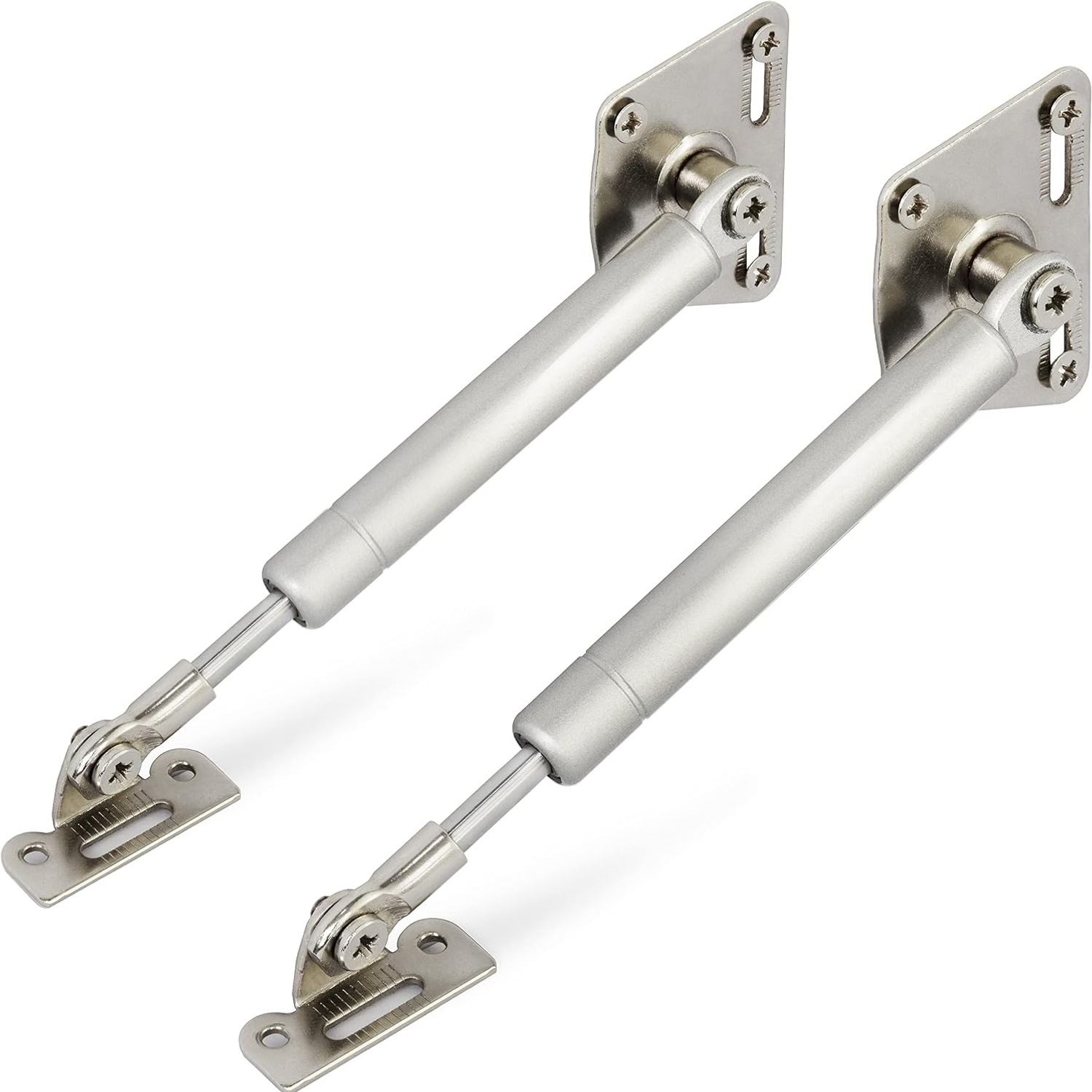
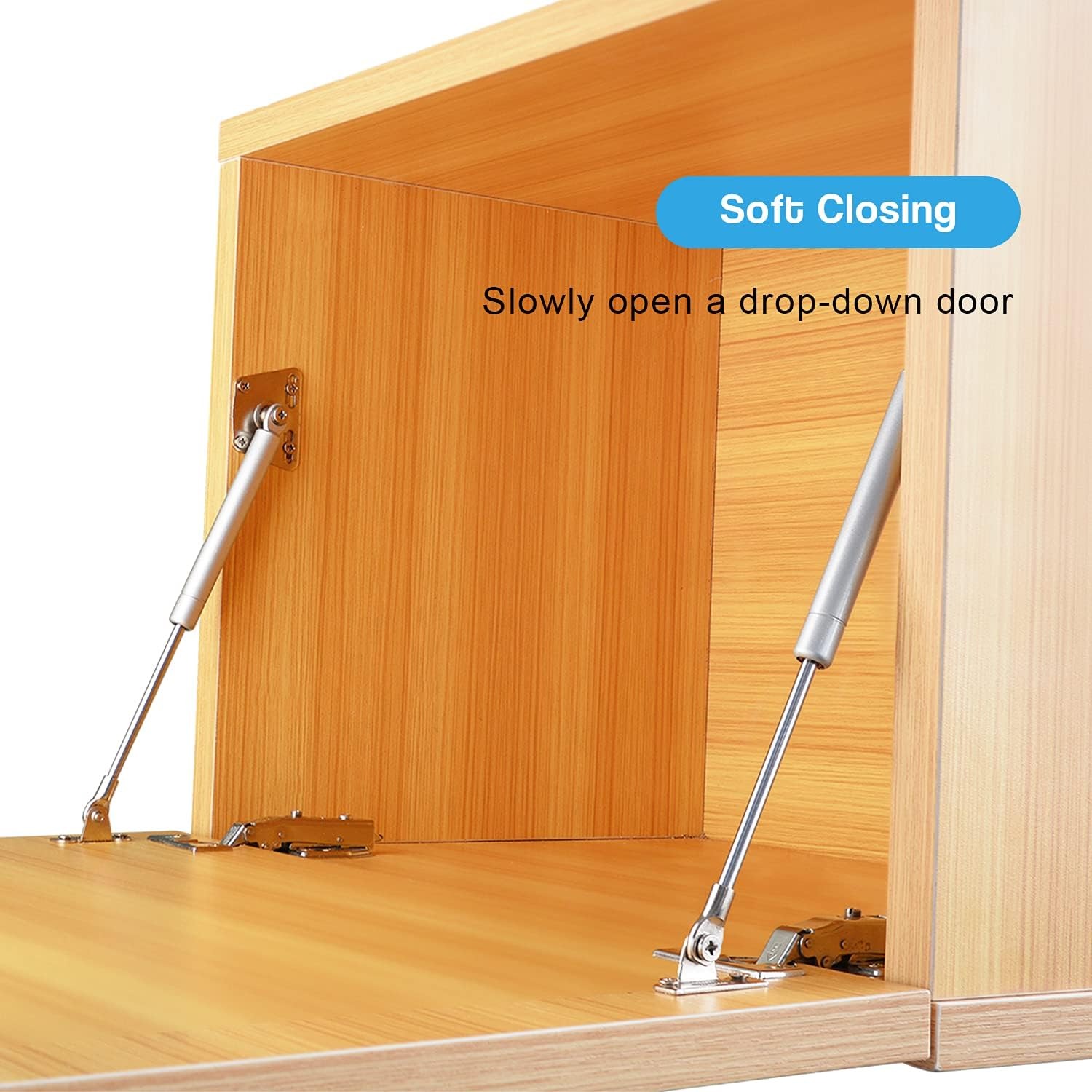
A drop-down cabinet damper is meant to address the movement, not carry every load placed on the panel. This douper pair slows suitable drop-down flaps as they descend. It is intended for furniture such as cabinets, cupboards, and desks with compatible panels.
The key is choosing hardware for the job you actually have. A panel that needs a slower descent has a different need from a lid that must stay raised. Before comparing finishes or prices, settle that question.
Damping is different from holding a lid open
The words “gas spring lid hinge” can describe several kinds of hardware in online listings. Some products assist lifting. Others hold a lid in position. This model is described as a damper for drop-down movement.
The supplier specifically says it is not for supporting a lid or keeping one open. That limit matters even if the part looks like a strut already fitted to another piece of furniture. Similar-looking gas springs can have different purposes.
If you need a raised storage lid to remain overhead, choose hardware made for that function. If a desk flap needs support while you write or place items on it, that working load also needs suitable support. Do not expect a damping device to take the place of a load-bearing stay.
Think of this product as one part of the panel's movement system. The panel may still need its existing hinges and separate supports.
How this gas damper pair works
The gas spring extends as the compatible panel opens. Resistance in the mechanism slows the drop-down movement. Correct mounting is central to how that resistance acts on the panel.
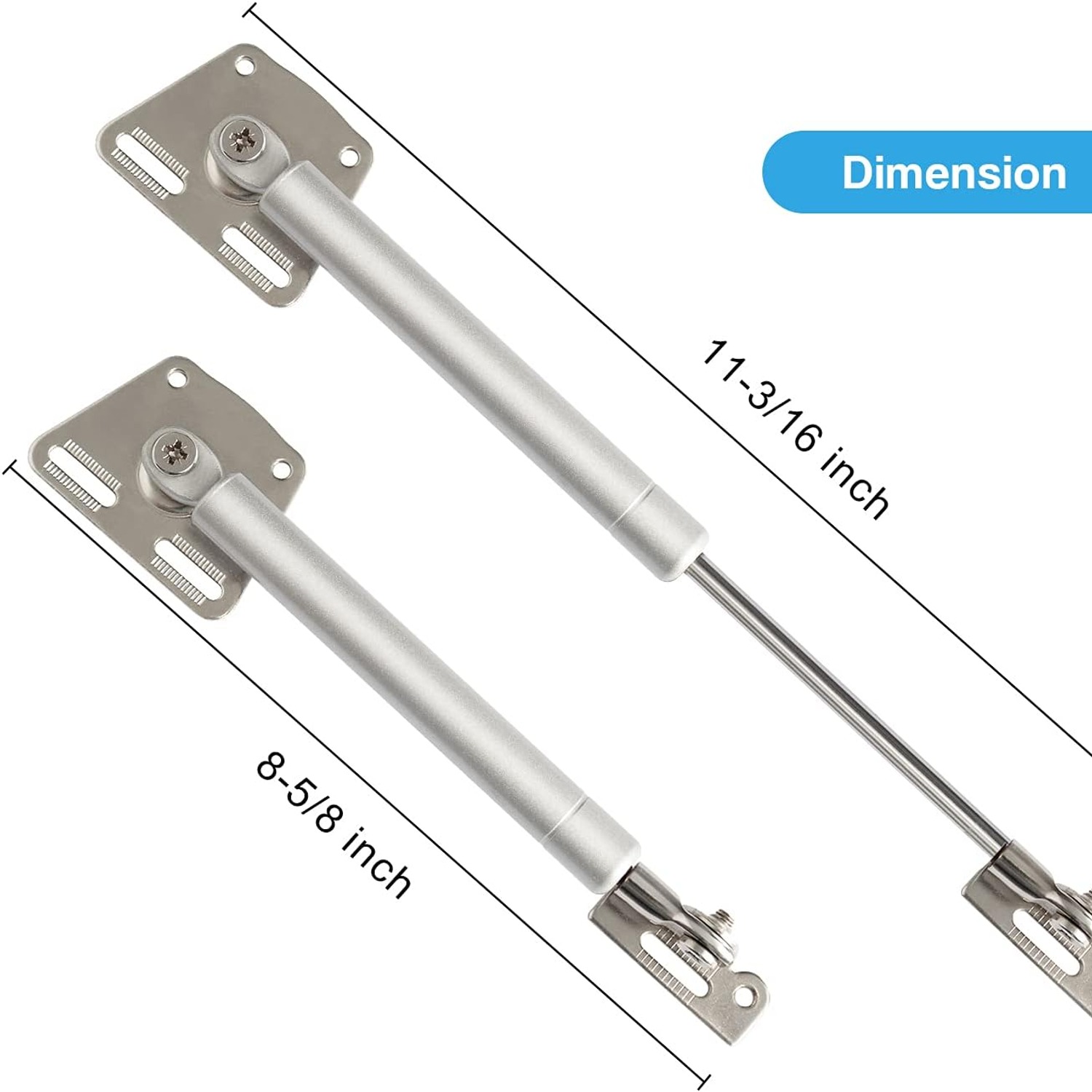
The supplier lists a compressed length of 7.9 inches and an extended length of 11.4 inches. Travel is stated as 3.5 inches. These figures give you a starting point for checking space inside the furniture.
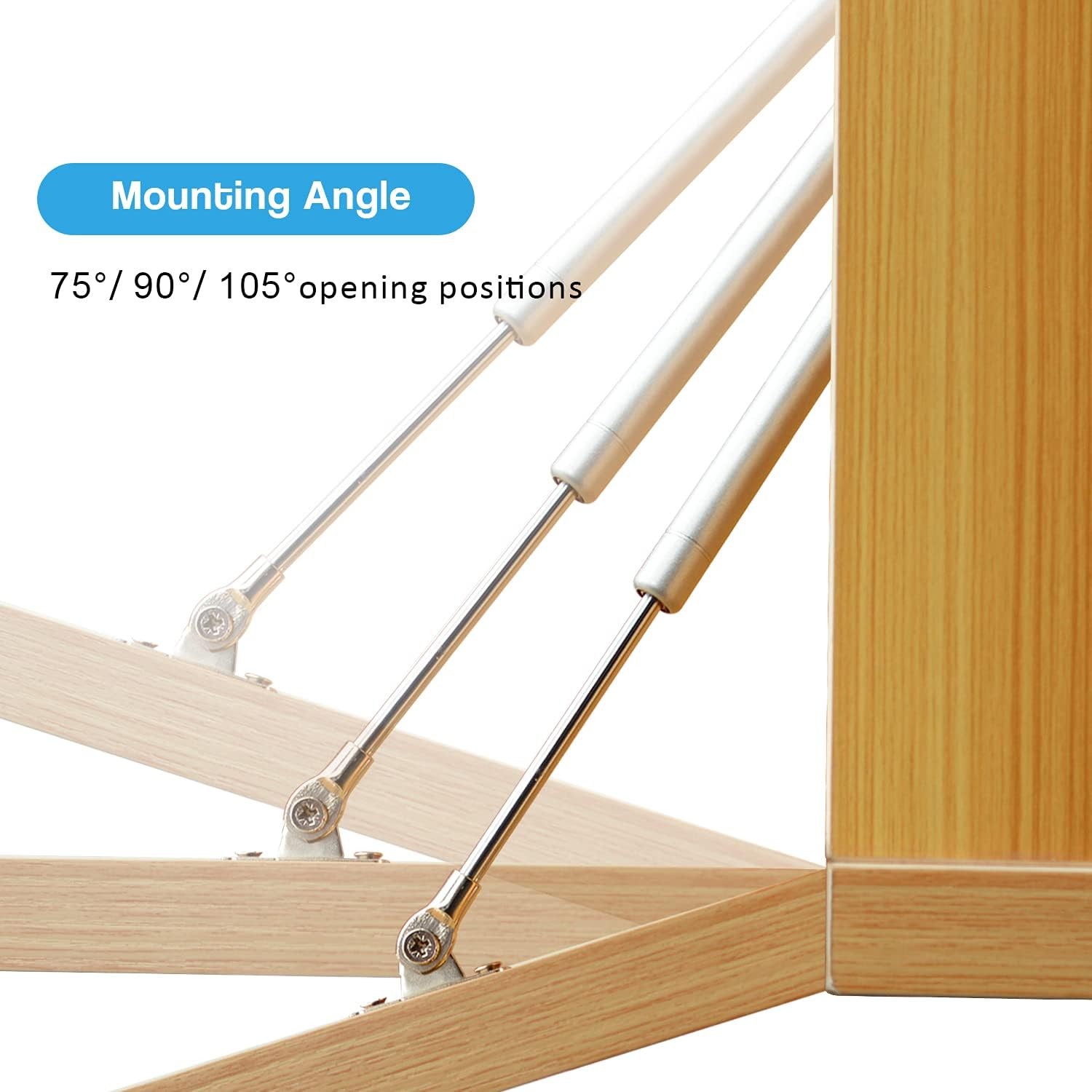
They do not tell you exactly where to drill. A mounting position changes the way the damper moves through its travel. A part that fits when the door is closed may still bind or reach its limit before the panel is fully open.
Use the included installation instructions to check the whole movement. Do not copy a mounting position from an unrelated cabinet simply because its hardware looks similar.
Check the weight information carefully
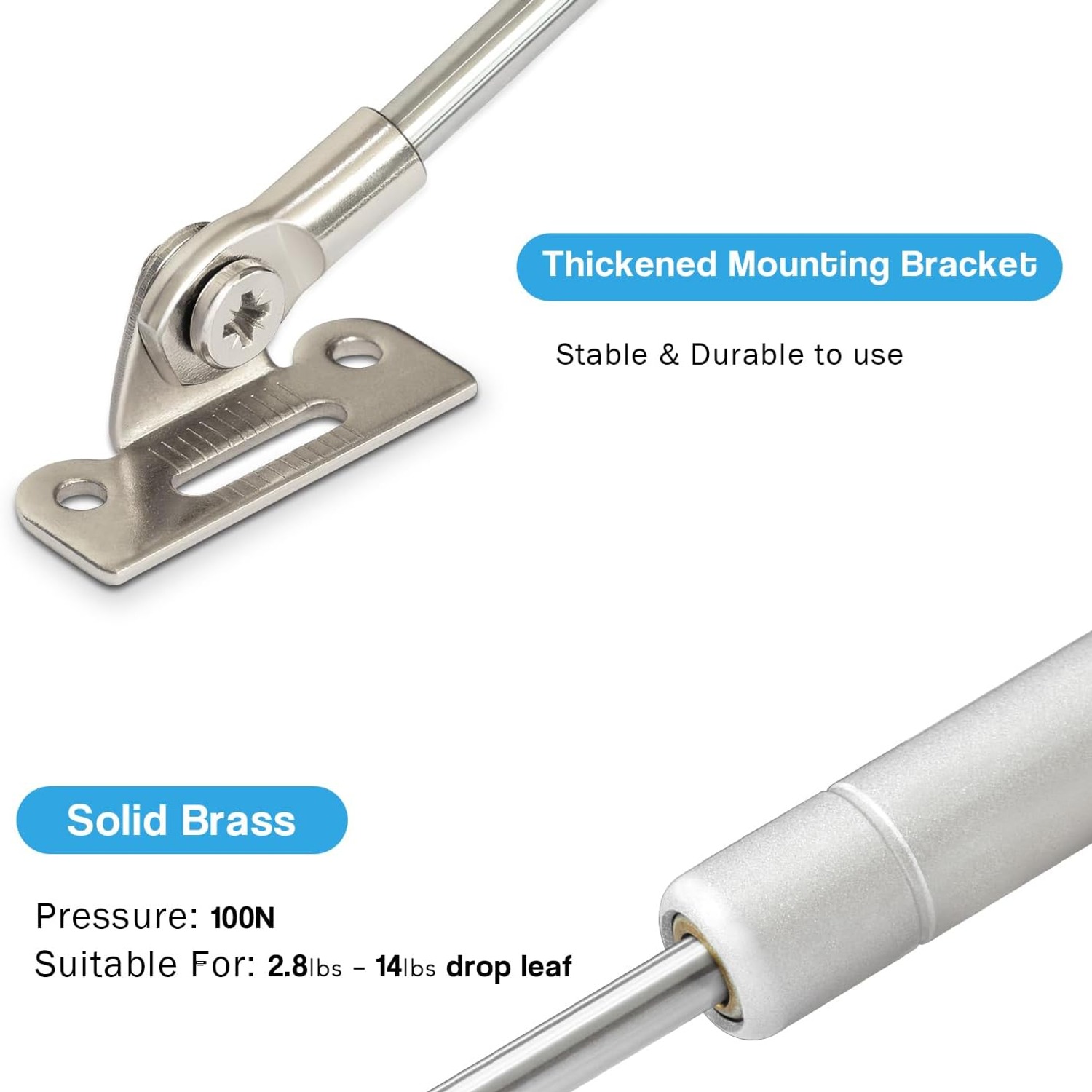
The supplier's weight information is not fully consistent. The product detail table gives a maximum weight capacity of 6.3 kg. The feature text describes drop leaves weighing between 2.8 and 14 lb.
A separate description mentions a panel under 22 lb. That higher figure conflicts with the other information. It should not be treated as permission to fit this product to a heavier panel.
There is also no clear statement explaining whether the listed capacity applies to one damper or the pair. Buying two does not mean you can safely double a stated rating.
Weigh the moving panel and seek confirmation against the installation guidance. Include attached handles or fittings when assessing the panel. If you cannot establish that the panel falls within the intended application, choose hardware with clearer load information.
Measure more than the available length
Start with the panel closed. Look at the space beside it and the areas where brackets could attach. Shelves, cabinet contents, and other fittings may restrict the space a gas spring needs.
Then consider the path as the panel opens. The cabinet flap gas spring must move without striking an edge, twisting against a bracket, or blocking normal access. Check the full opening path rather than just the two end positions.
Exact mounting distances and hole spacing are not provided in the maker's listing. Those missing measurements matter when replacing old hardware. Existing holes may not line up with the new fittings.
Avoid planning a direct swap from photographs alone. Compare the original part, the new instructions, and the furniture itself. If the mounting layout cannot be confirmed before purchase, ask for the details you need.
Where this type of hardware may suit
A drop leaf desk damper may be useful when a desk panel opens downward and needs a more controlled descent. The supplier also names cabinet and cupboard flaps as possible applications.
A shoe cabinet door damper is another listed use. Here, the same checks still apply. The movement direction, panel weight, and mounting space must match what the damper requires.
This is not a universal solution for every door in those categories. A side-hinged cupboard door has a different movement from a downward-opening flap. An upward-opening door may need lift assistance and a hold-open function instead.
The category name also does not establish glass compatibility. No glass-specific fittings or mounting method are confirmed in the maker's listing. If your panel is glass, seek hardware explicitly suited to that material and design.
What comes in the pack
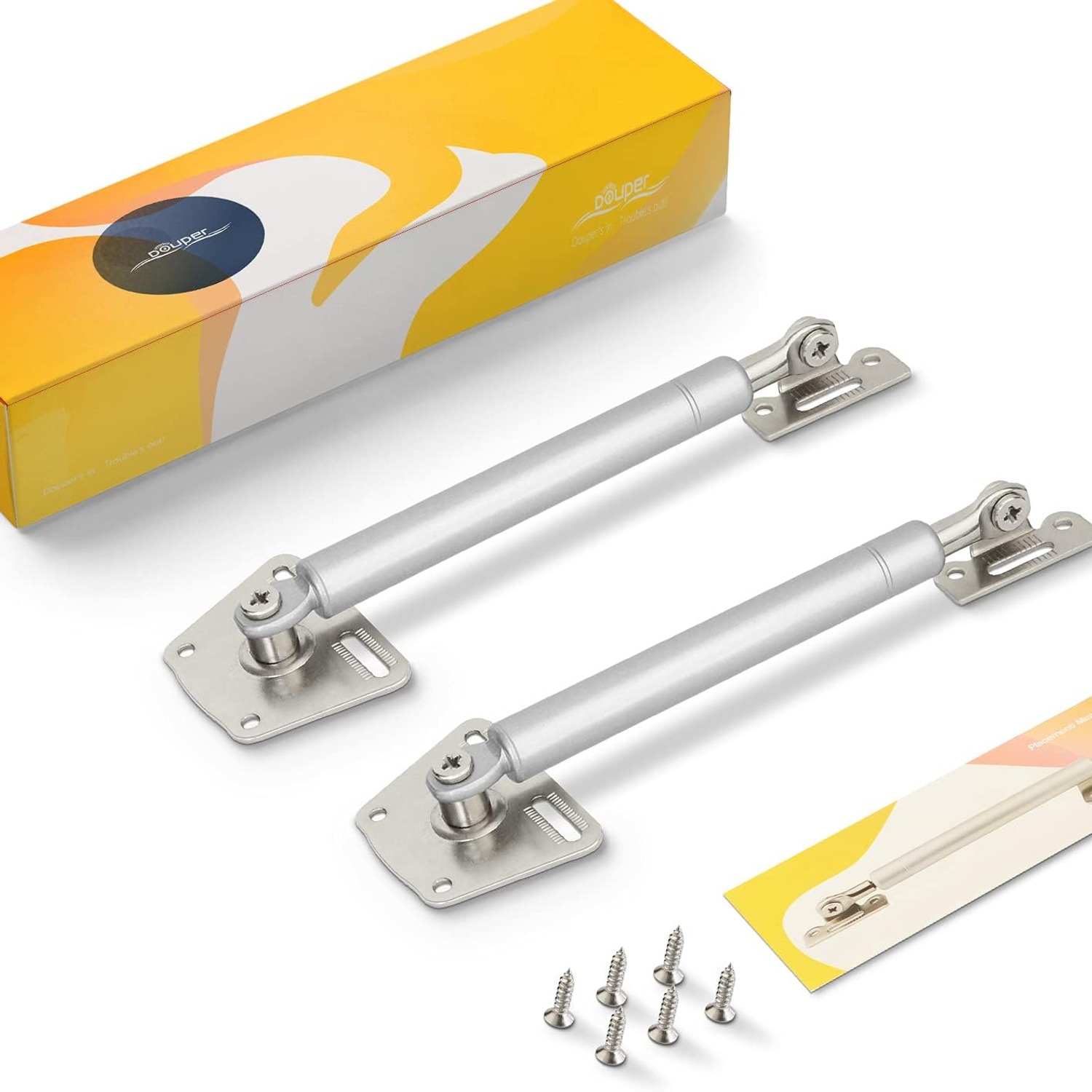
The pack contains two gas springs, mounting screws, and installation instructions. The listed model is DP057-GAS from douper. The maker's listing gives an item weight of 240 g.
Chrome is the stated finish. This may help when matching visible fittings, but finish alone says little about whether the part will fit your furniture.
There is a material conflict in the supplier information. The detail table lists zinc, while the feature text mentions brass and iron. If exact metal composition matters for your project, confirm it before ordering.
No verified force rating in newtons is supplied here. There is also no stated adjustment feature. Do not assume the resistance can be changed to suit a panel after installation.
Plan the installation before drilling
Read the instructions from start to finish before marking any holes. Support the panel while you work so its weight is not hanging from partly fitted hardware.
Check the condition of the mounting surfaces. Loose boards, damaged screw holes, or weak material need attention before you add a door mount gas damper. New hardware cannot correct a failing attachment point.
The included screws may not suit every furniture material or thickness. Check the fixing requirements rather than assuming that every supplied screw is right for your cabinet.
If the layout is unclear, get help from someone familiar with furniture hardware. This is especially useful for a heavy or awkward panel. Careful fitting matters more than finishing quickly.
Test the panel with control
Once fitted according to the instructions, keep a hand on the panel during the first checks. Move it slowly through its intended range and look for interference.
Watch for brackets shifting, screws moving, or the gas spring pressing against another part. Stop if the movement binds or if a fixing begins to pull away from the furniture.
Do not add weight to a desk flap to test the damper as a support. Its role is to control descent, not establish the panel's working load.
A slower movement is not a guarantee against trapped fingers. Keep hands clear of hinge gaps and closing edges, and do not treat this product as a child-safety device.
Care and replacement checks
For routine cleaning, wipe accessible surfaces with a soft cloth and dry them afterward. Avoid abrasive cleaners that could scratch the chrome finish.
Check mounting screws and attachment points from time to time. Changes in movement are worth investigating, particularly if a panel begins to drop faster or unevenly.
Do not open, puncture, or modify the gas spring. If it is damaged or no longer controls the panel as expected, stop using the panel until the cause is checked.
When choosing a replacement drop leaf damper, compare more than its appearance. Function, length, mounting layout, and panel suitability all matter. Keep the model details and installation instructions with your furniture records to make that comparison easier later.
The short version
This douper gas damper pair is for slowing suitable drop-down furniture panels. It is not a lifting aid, a stay-open device, or a substitute for proper panel supports.
Check the panel weight, full movement path, and mounting instructions before fitting. Resolve the conflicting capacity and material details if they affect your choice. With those checks done, you can decide whether this soft down cabinet hinge type matches the job you need it to do.