
The complete guide
A Practical Guide to Choosing 50mm Flush Hinges
A cabinet door that rubs, hangs crooked or refuses to close can make a useful piece of furniture frustrating to use. Replacing the hinges may help, but only if the new hardware matches the door and frame. A hinge that looks close in a photo can still put the pivot in the wrong place.
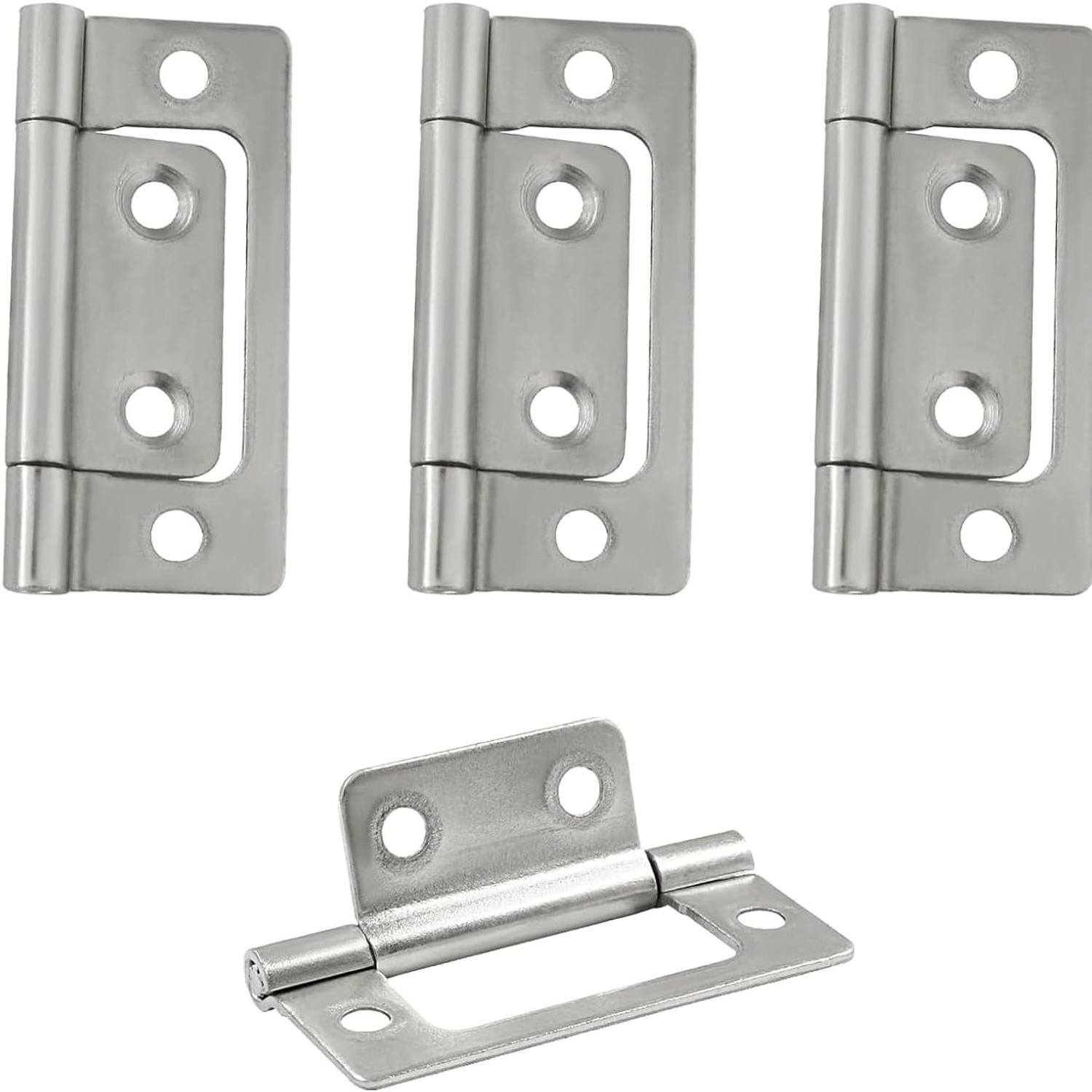
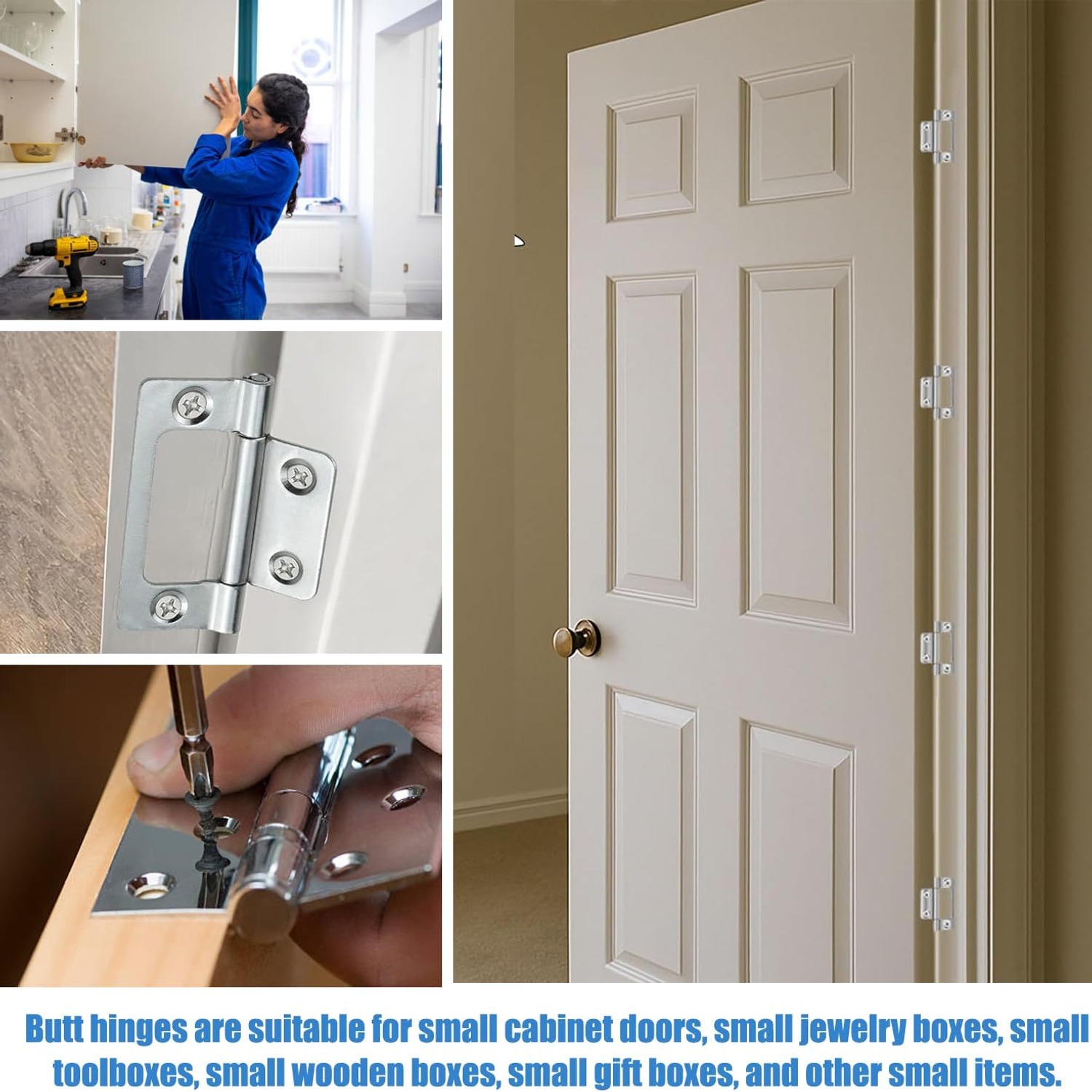
These Girejujon flush hinges have a listed size of 5 x 4 cm, stainless steel construction and a polished silver finish. They are an option to assess for compatible cabinet and furniture projects. The important step is to compare more than the headline size.
This guide explains what to measure, which details still need confirmation and how to approach fitting without making avoidable holes in your furniture.
What flush mounting means for your project
A hinge lets a door move around a pivot while its leaves stay attached to the door and frame. The position of that pivot affects how the door clears the frame as it opens. Even a small change can alter the gap or cause the edge to catch.
Flush hinges are chosen for a particular mounting arrangement. They should not be treated as direct replacements for every butt hinge or concealed cabinet hinge. The door edge and frame must provide suitable surfaces for the hardware.
The listing identifies this model as flush mount. It does not give a detailed fitting drawing or leaf thickness. Before committing to it, establish how the hinge will sit on your furniture and whether the closed door will have enough clearance.
Start with the measurements you can check
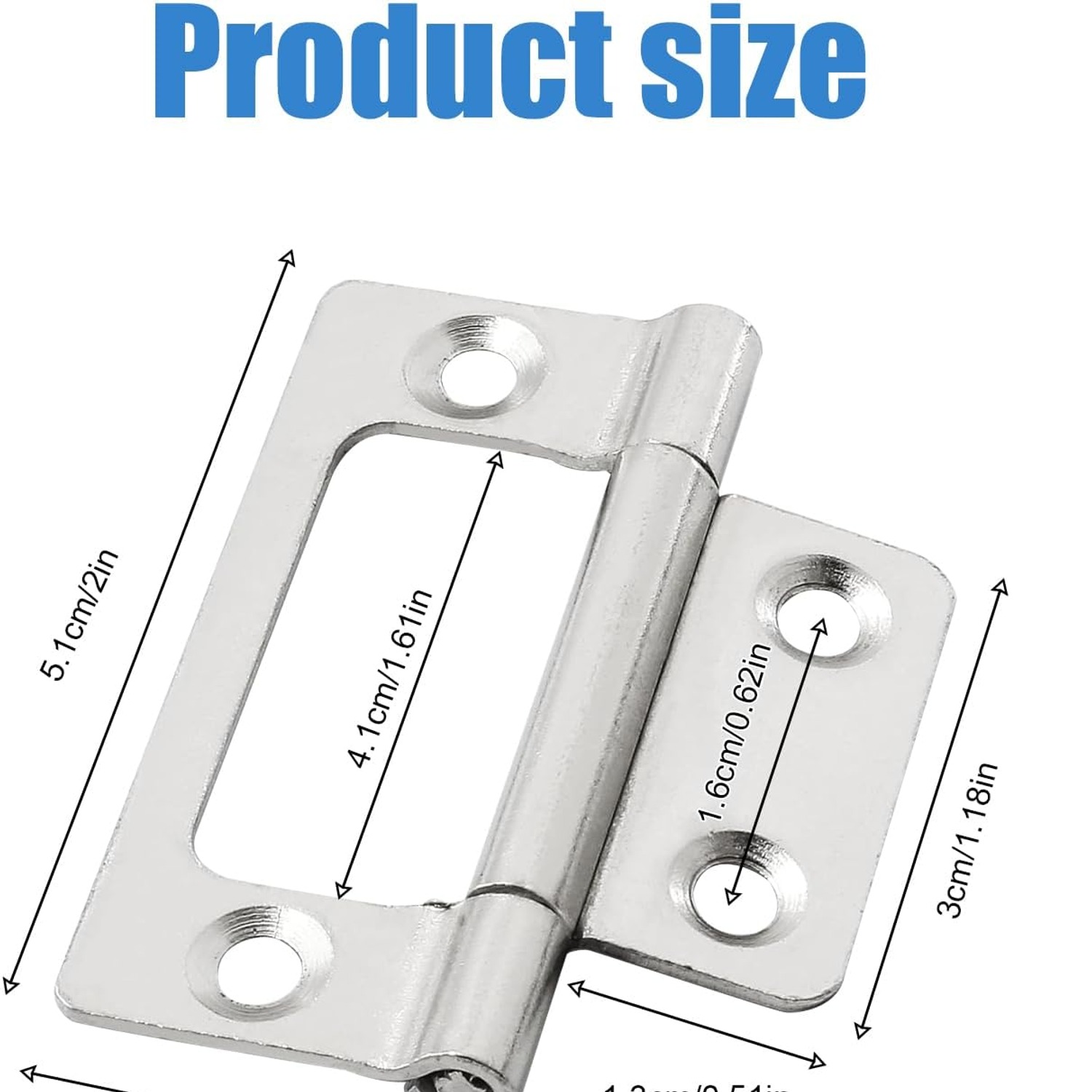
The supplier gives a length of 5 cm and a width of 4 cm. That explains the 50mm description and provides a useful starting point when comparing small flush hinges.
Measure your existing hardware if you are replacing it. Record its overall dimensions, the location of each fixing hole and the position of the pivot relative to the door edge. A quick sketch can be more useful than a photo alone.
Then measure the available mounting space. Look for narrow frame edges, trim or nearby shelves that might limit where screws can go. Check the door in both its closed and open positions.
Do not assume the listed width describes every detail you need. The maker does not explain the measurement position or give separate leaf dimensions. Ask for clarification if your fit depends on a few millimetres.
Thin doors need careful fixing choices
Searching for thin door hinges is a sensible first step, but it does not establish compatibility. The hinge leaf thickness and screw depth matter just as much as overall length.
A screw that is too long can break through the visible face of a panel. One that is too short may not hold securely. The door material also changes what sort of fixing is suitable.
This record does not list a minimum door thickness, screw size or hole diameter. Confirm those points before fitting these hinges to a thin panel. If the door has a hollow or damaged edge, get advice on the mounting method rather than relying on appearance.
For a delicate furniture repair, it is worth spending extra time on this check. Repairing a misplaced hole can take much longer than measuring it carefully in the first place.
Look beyond the stainless steel label
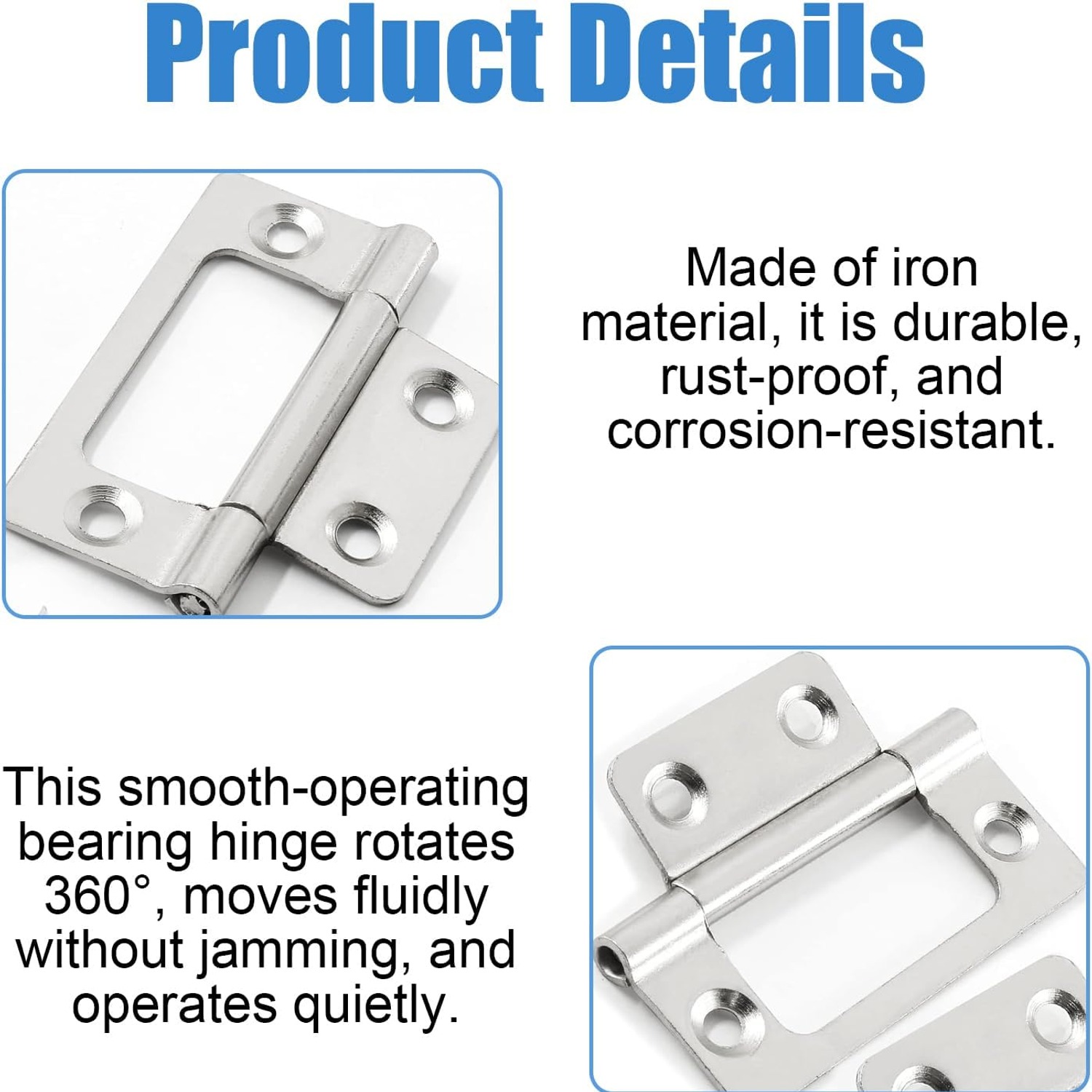
The specifications identify stainless steel with a polished finish. That is useful when choosing stainless steel furniture hinges to coordinate with other metal fittings.
However, stainless steel comes in different grades. The maker does not name the grade used here or provide a corrosion test result. It therefore cannot establish performance in every damp or outdoor setting.
The supplier suggests outdoor use, but a sheltered cupboard and a coastal gate face very different conditions. For exposed locations, confirm suitability before buying.
The polished silver appearance also deserves a practical check. Existing handles may be brushed, satin or chrome plated, and each reflects light differently. If a close finish match matters, compare the available images carefully and allow for screen colour differences.
Decide whether the application is suitable
Cabinets and furniture are suggested uses for these hinges. That makes them worth considering for a compatible cupboard or furniture door, subject to the missing fitting details.
A small-looking door is not always light. Solid timber, glass inserts and attached storage can add weight. Door width also affects the force placed on the hinges and their fixings.
No load rating is provided here. Do not use general supplier language about strength as a substitute for a supported door-weight figure.
For a heavy panel, an entrance door or an application where failure could hurt someone, choose hardware with clear ratings for the job. These compact door hinges should not be assumed suitable simply because they are made from steel.
Replacing old hinges without creating new problems
When planning a cabinet hinge replacement, first work out why the old arrangement failed. Loose screws, damaged timber and poor alignment can look like a hinge problem.
If the mounting holes no longer grip, new hinges alone may not solve it. The attachment point needs to be sound before it can support the door reliably.
Compare the old and proposed hinge side by side where possible. Pay attention to the pivot position, not just the outline. A similar-sized hinge can still change where the door rests when closed.
Keep the original hardware until the replacement has been checked. It provides a useful reference for hole positions and may help you explain the fit to a repairer or support team.
Confirm pack contents before planning the job
The product record does not confirm the number of hinges supplied. It also does not confirm that screws are included. The supplier's included-components entry reads “NO”, which is not a clear packing list.
That matters when budgeting for a repair. You need to know the pack count before working out how many packs to order, and you need suitable fixings available before removing a working door.
Do not infer a quantity from product photos. Images can show several views or arrangements without establishing what is in the pack.
The listed weight is 80 g, but the maker does not say whether that applies to one hinge or the whole pack. It is not a safe way to calculate quantity.
Plan a careful installation
Before removing any hinge, support the door so its weight cannot pull on the remaining fixings. A second person can help keep a larger panel steady.
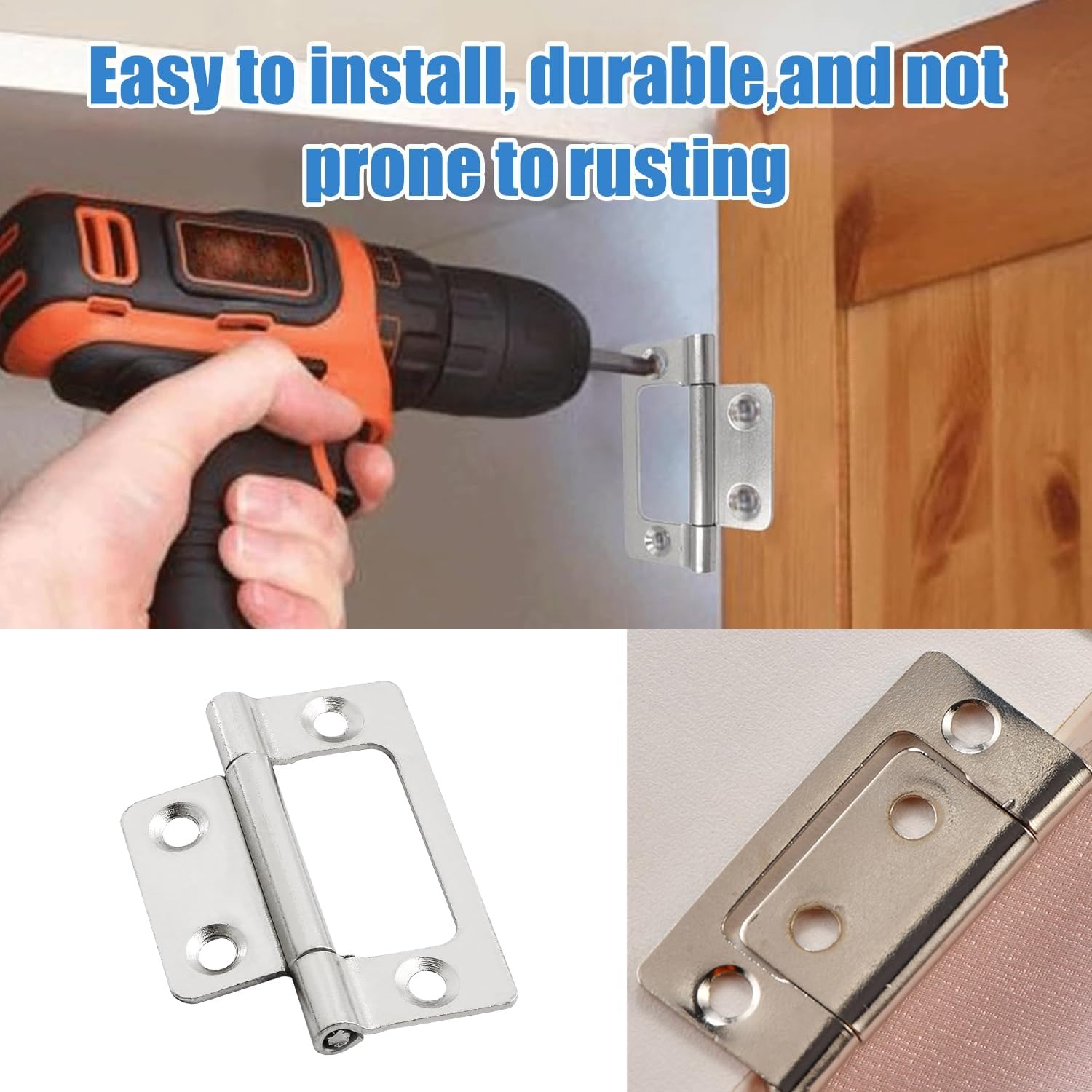
Check the proposed hinge position without drilling first. Make sure the leaves have a suitable mounting surface and that the door can close without forcing the hardware.
Mark holes accurately and choose fixings for the actual door and frame material. Pilot-hole requirements depend on those materials and the screws being used. Follow any instructions supplied with the product.
Avoid pulling a misaligned door into place by tightening screws harder. That can damage the mounting surface or put strain on the hinge. Correct the alignment, then test the movement gently before returning the furniture to normal use.
Check movement as well as appearance
A door can look straight when shut and still catch halfway through opening. Test its full intended travel, watching the hinge edge and nearby panels.
The opening angle is not listed by the maker for this model. If the door needs to fold far back or clear a drawer, confirm that requirement before purchase.
Neither self-closing nor soft-close operation is listed. These features require specific mechanisms and should not be assumed from a hinge's shape or finish.
Also check handle clearance. A door that opens freely at the hinge may still strike a wall or another handle. Think about how the whole piece of furniture will work in its usual position.
Keep care simple
For routine cleaning, use a soft cloth and mild soapy water when needed. Dry the metal afterwards rather than leaving moisture on the surface.
Avoid abrasive pads and harsh cleaners that could mark the polished finish. Take care around moving parts so cleaning residue does not collect where the hinge pivots.
From time to time, inspect the fixings and watch for a changing door gap. Loose screws or new rubbing marks are reasons to stop and check the installation.
If the mounting material is damaged or the door starts to sag, support it before making adjustments. Continued use can make a small attachment problem harder to repair.
The short version
These 50mm stainless steel flush hinges offer a listed 5 x 4 cm format with a polished silver finish. They are worth considering for cabinet and furniture doors that suit this mounting style.
Before ordering, confirm the pack quantity, supplied fixings, hole layout and load suitability. For thin doors, add leaf thickness and safe screw depth to that check.
Choose by fit first and finish second. A few careful measurements will tell you more about suitability than a similar-looking product photo ever can.