
The complete guide
Choosing Antique Brass Flap Hinges for Boxes and Cabinets
A wooden box can be neatly built yet still feel unfinished when its hinges do not suit the design. Cabinet repairs pose a similar problem. You need hardware that fits the available space, moves as required and looks at home beside the handles and timber.
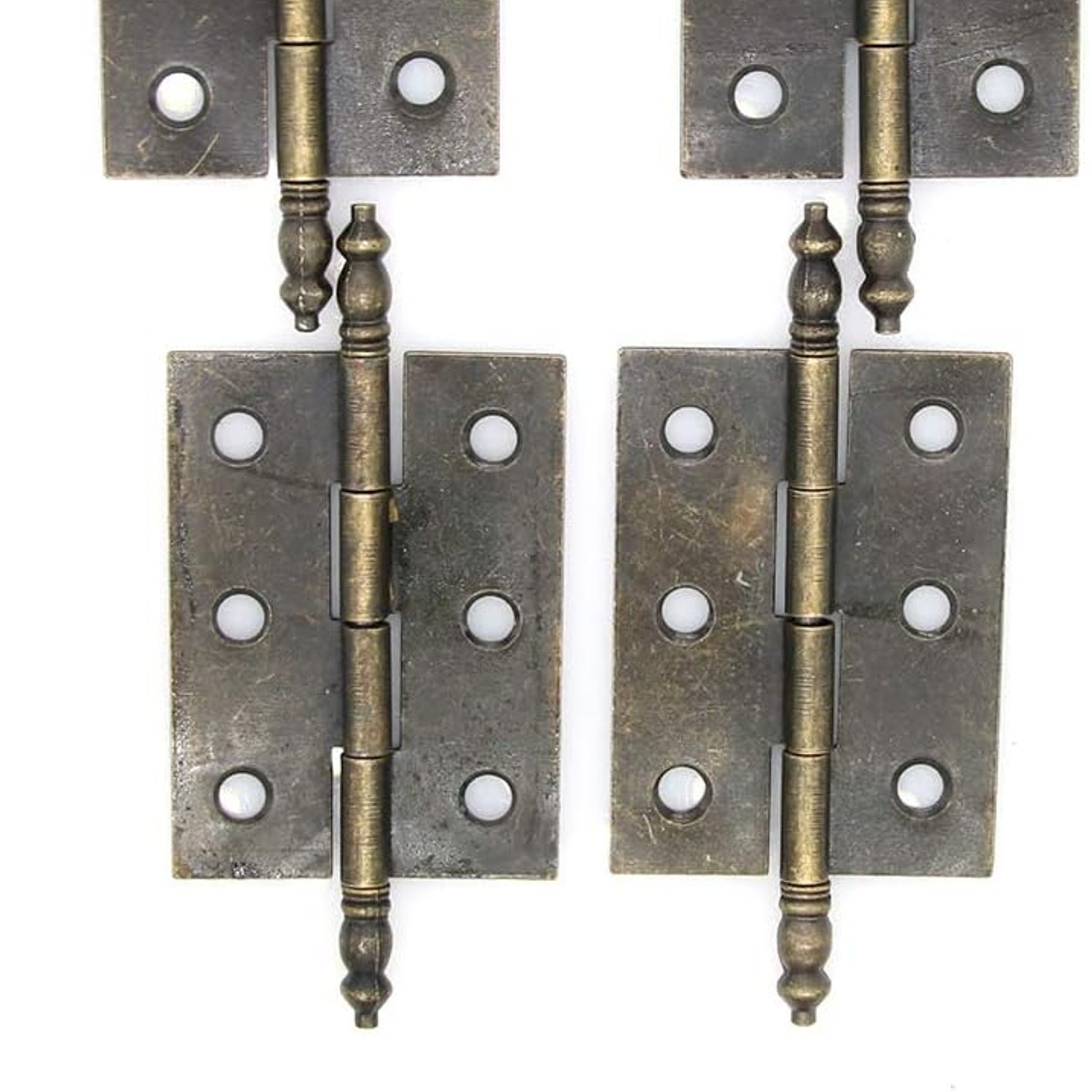
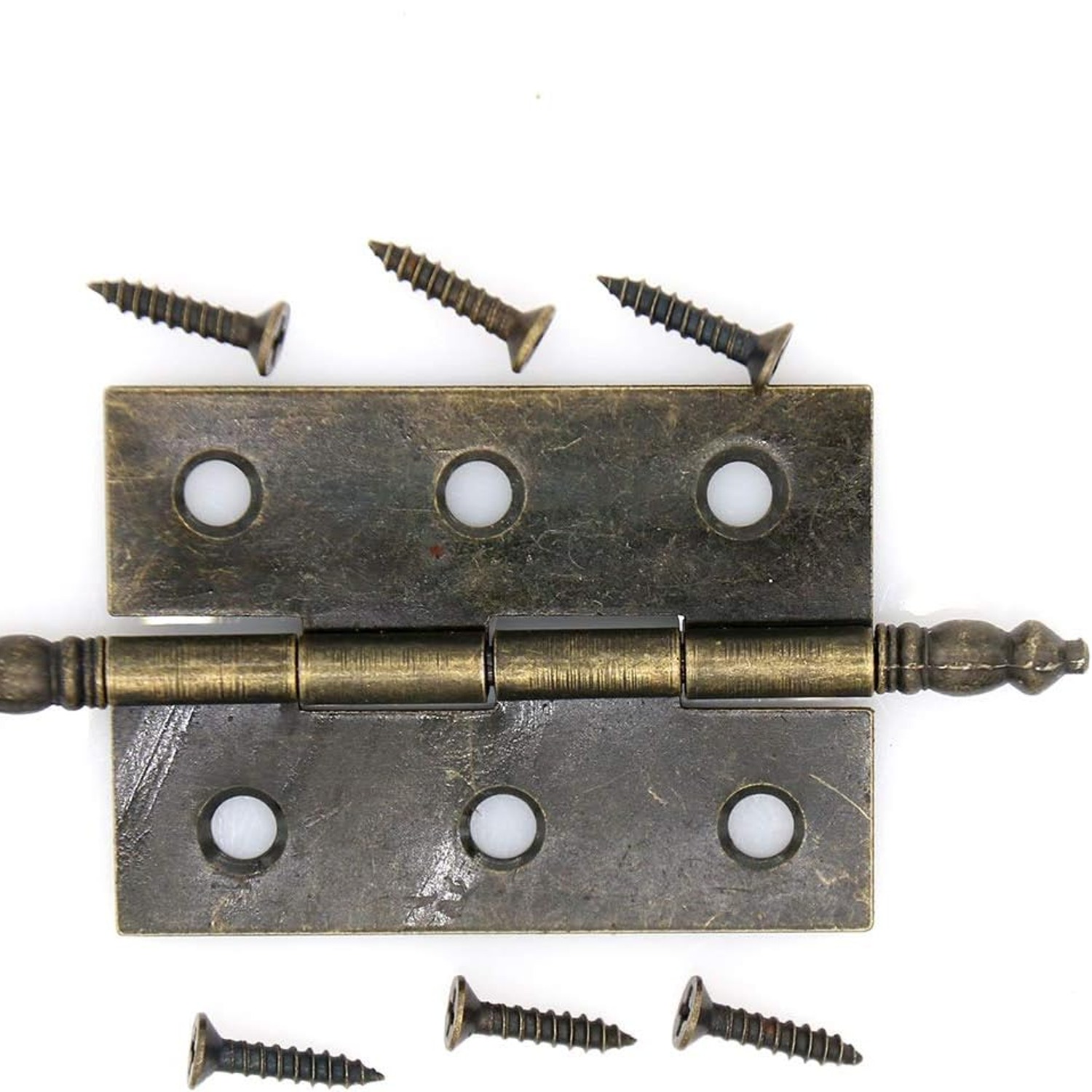
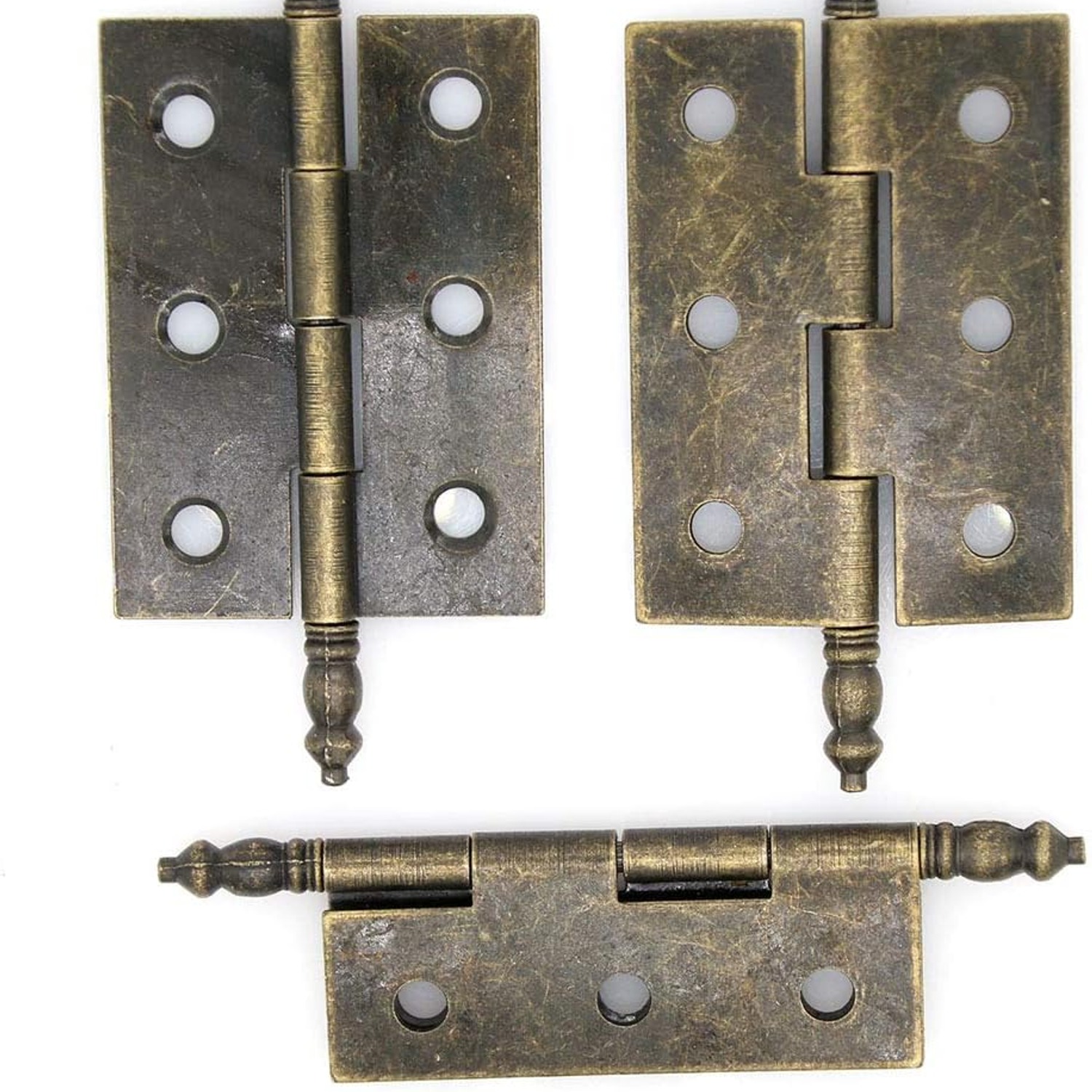
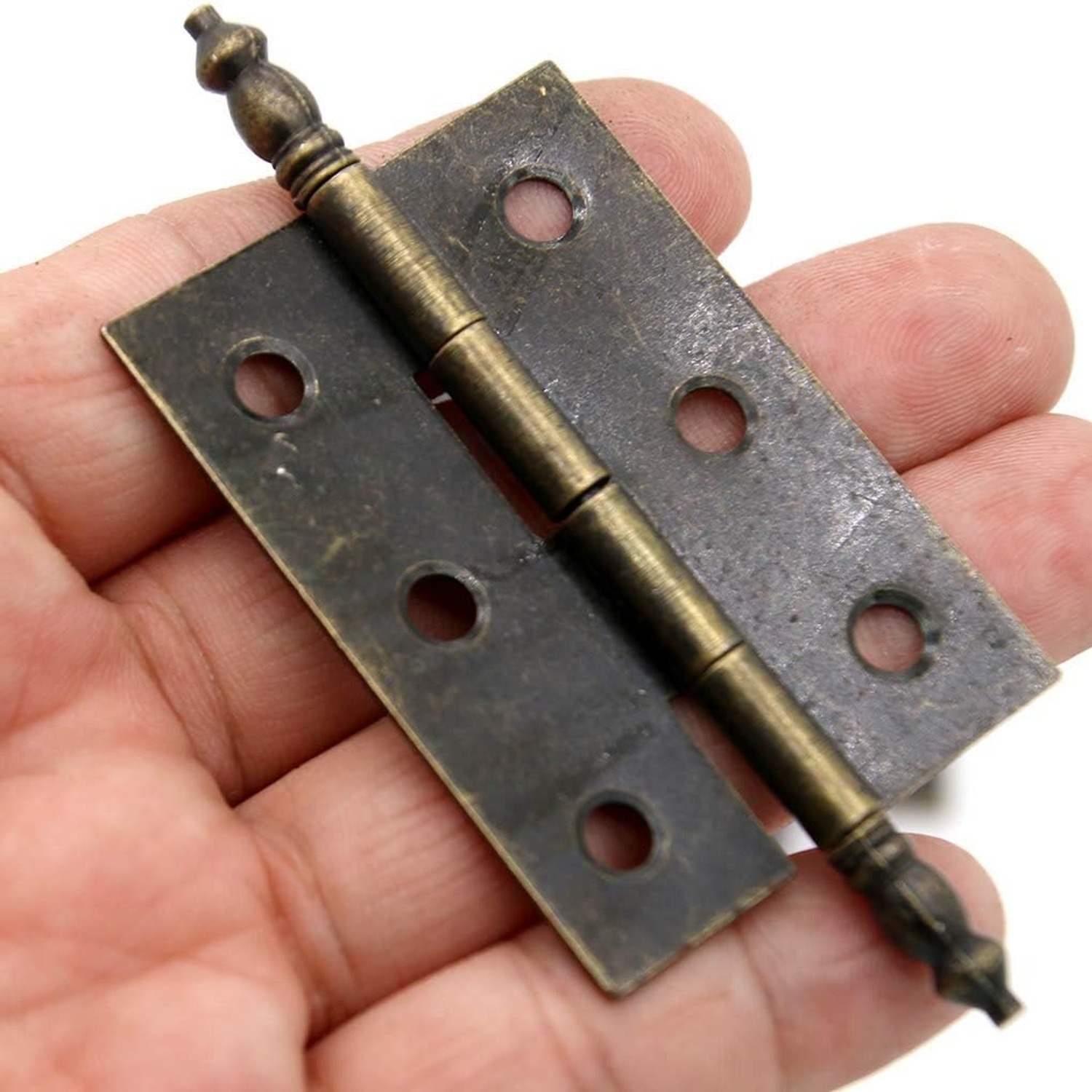
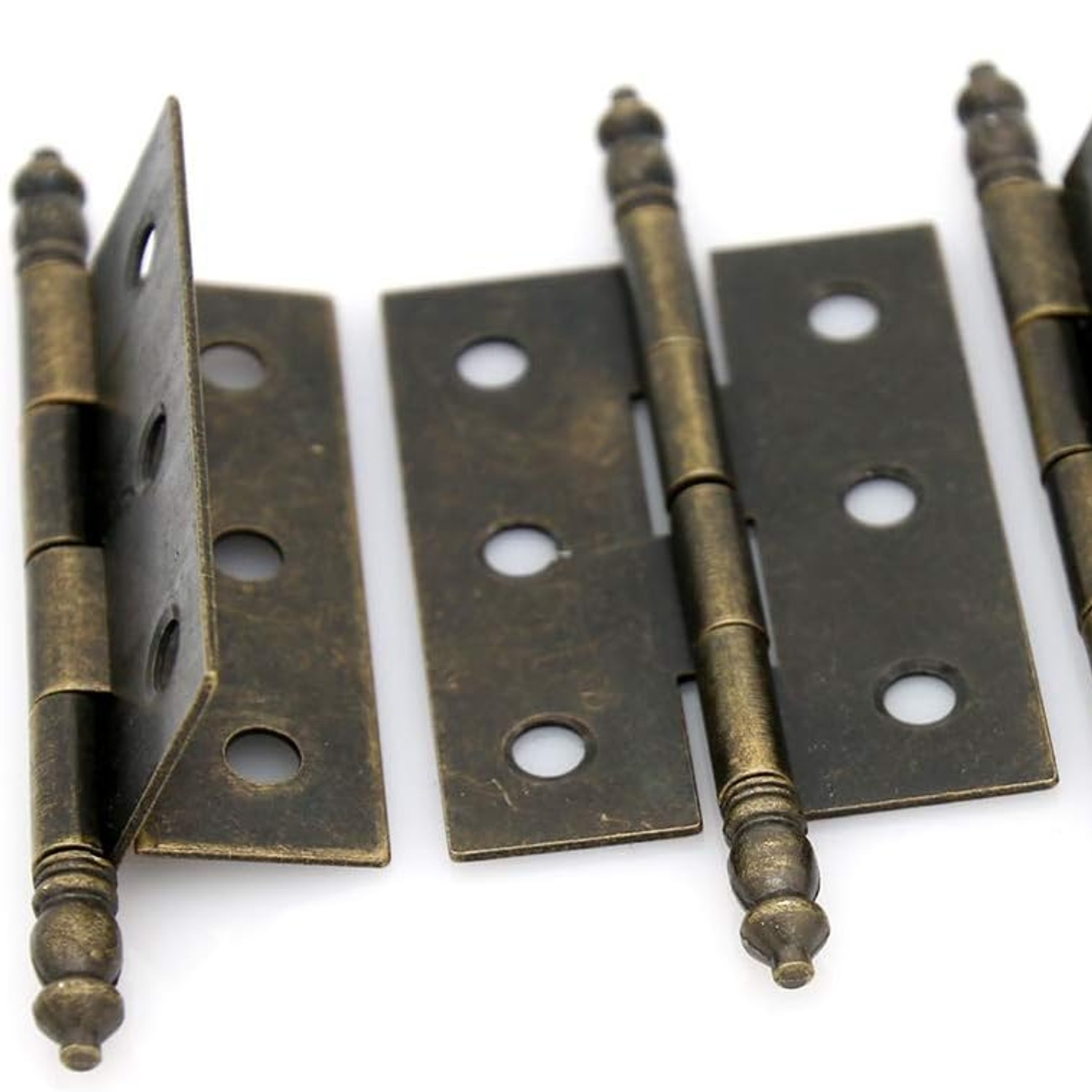
These LXZ flap hinges offer a decorative option with a distressed antique brass finish. The pack contains four hinges with matching screws, and the extended axis ends give each hinge a visible vintage detail.
The main buying question is fit. A finish you like is only part of the decision. Before ordering, compare the measurements with your project and check which details are still unknown.
What this hinge set offers
This set is intended for wooden boxes, jewellery cases, cabinet doors and cupboards. Each hinge has six mounting holes. The supplier describes iron construction with an antique brass finish, rather than solid brass construction.
That distinction helps when comparing products. “Brass finish” describes the surface appearance, not the metal throughout the hinge. If your project calls for solid brass hardware, this listing does not establish that requirement.
The decorative axis extends beyond the metal plate. That extra length is part of the look, but it also needs room. On a narrow box or a door close to surrounding trim, check the whole hinge outline rather than just the part that accepts the screws.
Four matching hinges can help keep the hardware consistent across a project. However, the pack size does not tell you how many hinges a particular door needs. That depends on factors including door weight and mounting conditions, which are not rated here.
Understand the measurements before you buy
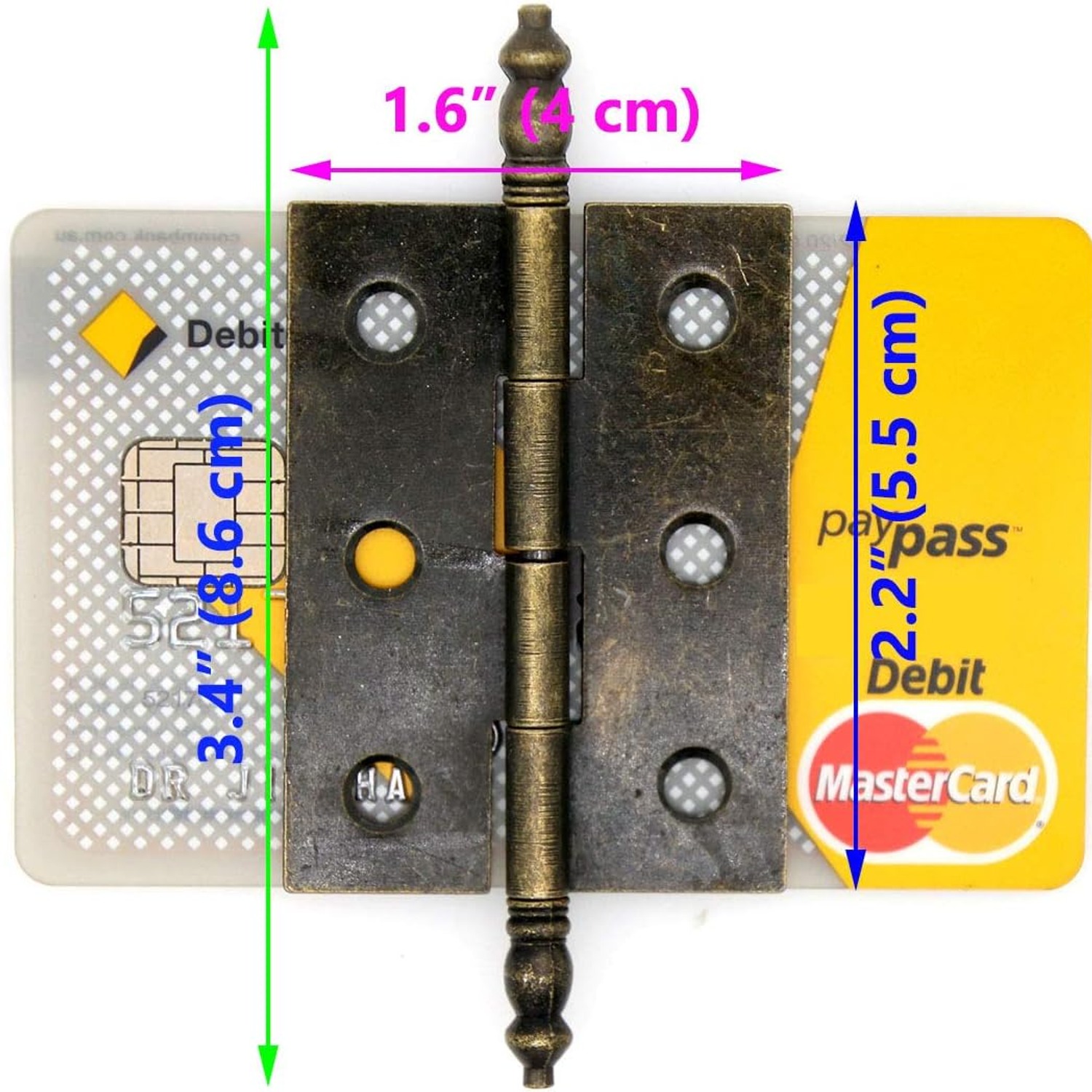
The overall axis length is 86 mm. The metal plate length is 55 mm, and the open width is 40 mm. These measurements describe different parts of the hinge, so they should not be used in place of one another.
Start with the 55 mm plate length when checking the area available for fixing. Then allow for the longer axis. Its decorative ends may extend into a space occupied by a frame, a lid edge or another fitting.
The 40 mm open width helps you assess the space required across the mounting faces. It does not give you the hole spacing, plate thickness or movement range. Those details are not listed by the maker.
A simple paper outline can help you judge scale. Mark the listed dimensions and hold it against your project. This will not confirm mechanical compatibility, but it can show whether decorative box hinges of this size look too large or sit too close to an edge.
Check movement, not just appearance
A hinge connects two parts while allowing them to pivot. The position of that pivot affects how a lid or door clears the surrounding wood. A hinge can look right on the surface yet bind when the part starts to move.
Before fixing anything, think through the full opening path. Where will the door edge travel? Will a lid meet the back of the box? Is there enough room beside the extended axis ends?
The opening angle is not supplied for this set. Do not assume a specific range of travel from the photographs or the phrase “flap hinges”. If your project needs an exact opening angle, confirm it before making permanent changes.
Also remember that a hinge is not necessarily a stay, stop or support. A lid may need separate hardware to control its movement. A fold-down surface may need dedicated support to carry weight once open.
Who these decorative hinges may suit
These vintage cabinet hinges are worth considering when visible hardware is part of the design. The distressed finish may appeal if you want an older-looking detail rather than a bright, polished appearance.
For wooden boxes, the main checks are scale, wood thickness and screw position. On a small jewellery case, an 86 mm axis may be quite noticeable. On a larger box, it may fit the design more naturally. Measure rather than judging from a product image alone.
For cabinet doors and cupboards, assess the door as a whole. Its weight, dimensions and condition matter. Since no load capacity is listed, this record does not establish suitability for heavy doors.
If you need hardware for a high-load or safety-critical project, choose a product with the relevant ratings. Decorative door hinges should not be selected on finish alone when the consequences of failure are serious.
Replacing existing hinges takes a closer check
Replacement work can look easier than a new build because the old hinge has already marked out a position. In practice, that existing position can limit your options.
Compare the old hinge with the new dimensions. Look at the plate outline, pivot position and available clearance. The six hole hinges in this set may have a different fixing pattern from your current hardware, even if the overall size looks similar.
Hole spacing and hole diameter are not listed. That means you cannot confirm a direct swap from the supplied measurements alone. Avoid assuming that every old screw hole can be reused.
Inspect the wood around existing holes as well. Loose, split or damaged fixing areas need attention before new hardware goes on. Simply tightening a screw harder is not a reliable answer to a poor fixing.
A note on drop-leaf projects
If you found this set while looking for drop leaf flap hinges, separate the search term from the requirements of your furniture. A folding table leaf has different demands from a jewellery box lid.
The hinge must allow the correct movement, but the open leaf also needs suitable support. This set has no stated load capacity, confirmed opening angle or specific approval for drop-leaf tables.
For that reason, do not treat these hinges as a rated leaf-support system. Check the table design and any separate brackets, stays or supports before choosing hardware.
The same caution applies to fold-down work surfaces and desks. When a moving panel will carry weight, use confirmed specifications rather than a visual match.
Match the finish with care
Antique brass describes a style of finish, not a single universal colour. Different handles, catches and hinges can vary in tone and in the amount of distressed detail.
If you are pairing these brass finish box hinges with existing hardware, use the product images as a starting point. Allow for differences caused by lighting and screen settings. An exact finish match is not promised.
On a new project, choosing related hardware together can make the overall look easier to judge. Consider how much of each fitting will remain visible once the door or lid is closed.
The included antique brass coloured screws help keep the fixing heads in keeping with the hinges. Their dimensions are not supplied, however, so check that they suit the wood before using them.
Plan installation before making holes
Begin with the moving part supported in its intended position. Place the hinges where you expect them to sit and check the visible alignment. Leave enough clearance for the decorative ends.
Mark fixing positions carefully. Where pilot holes are appropriate, choose tools and hole sizes to suit the wood and screws. Check the available wood thickness so a screw does not emerge through the other side.
The supplier describes screwdriver installation. That does not remove the need for careful measuring or preparation. Hinges with matching screws still need a sound fixing surface and correct alignment.
During fitting, check movement before final tightening. If the hinge binds or the door shifts out of line, stop and review the position. Forcing it can put strain on the screws or damage the surrounding wood.
Care for the finish and fixings
Use a soft, dry cloth for routine cleaning. Avoid abrasive pads and harsh cleaners, which could mark the decorative surface. Keeping the hinges dry is a sensible precaution.
The supplier describes the finish as anti-rust, but no corrosion test or outdoor exposure rating is provided. That is not enough to call the hinges rustproof or recommend them for exposed outdoor use.
Check the screws from time to time, especially if the door or lid begins to sag or rub. A change in movement can be a sign that alignment or the fixing surface needs attention.
If a hinge becomes stiff, inspect it before applying force. Look for contact with nearby wood, loose screws or a shifted mounting position. Follow any care guidance supplied with the actual item.
The short version
This four-pack offers iron flap hinges with a distressed antique brass finish, extended axis ends and matching screws. The key dimensions are an 86 mm overall axis, a 55 mm metal plate and a 40 mm open width.
They are presented for wooden boxes, jewellery cases and cabinet or cupboard doors. Measure the fixing area, check clearance and review the unknowns before ordering. Load capacity, opening angle and screw dimensions are not listed by the maker, so projects that depend on those details need further confirmation.