
The complete guide
A Practical Guide to Choosing Corner Cabinet Hinges
When a corner cupboard stops opening properly
A corner cupboard can hold plenty, but reaching inside becomes awkward when its doors no longer fold as they should. A loose connection may let one panel sag. A mismatched replacement can make the panels catch before you can reach the back of the cupboard.
The answer starts with identifying the hinge, not simply finding something that looks close. Corner cabinet door hardware must suit the way the panels meet, the holes already drilled into them and the space they need to move.
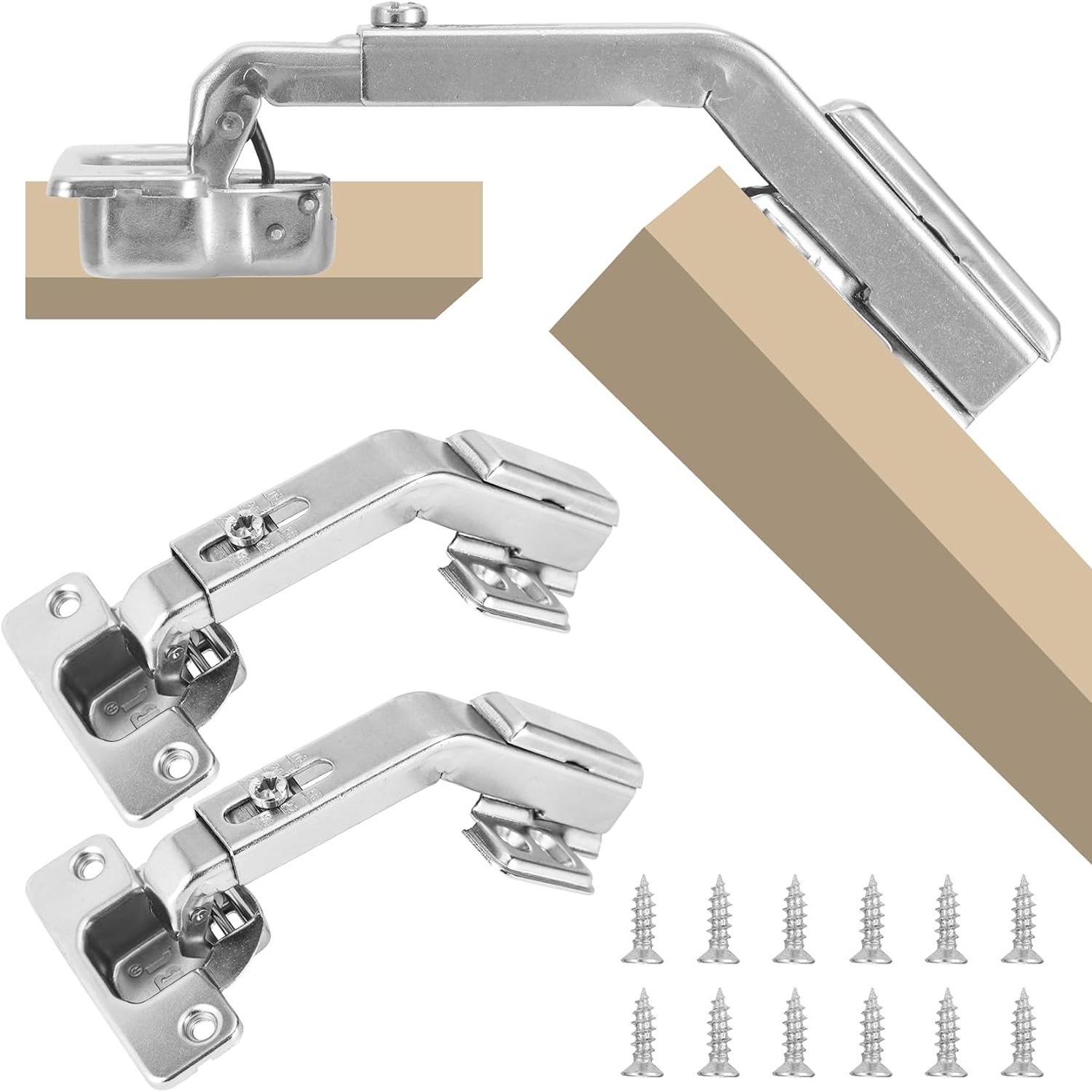
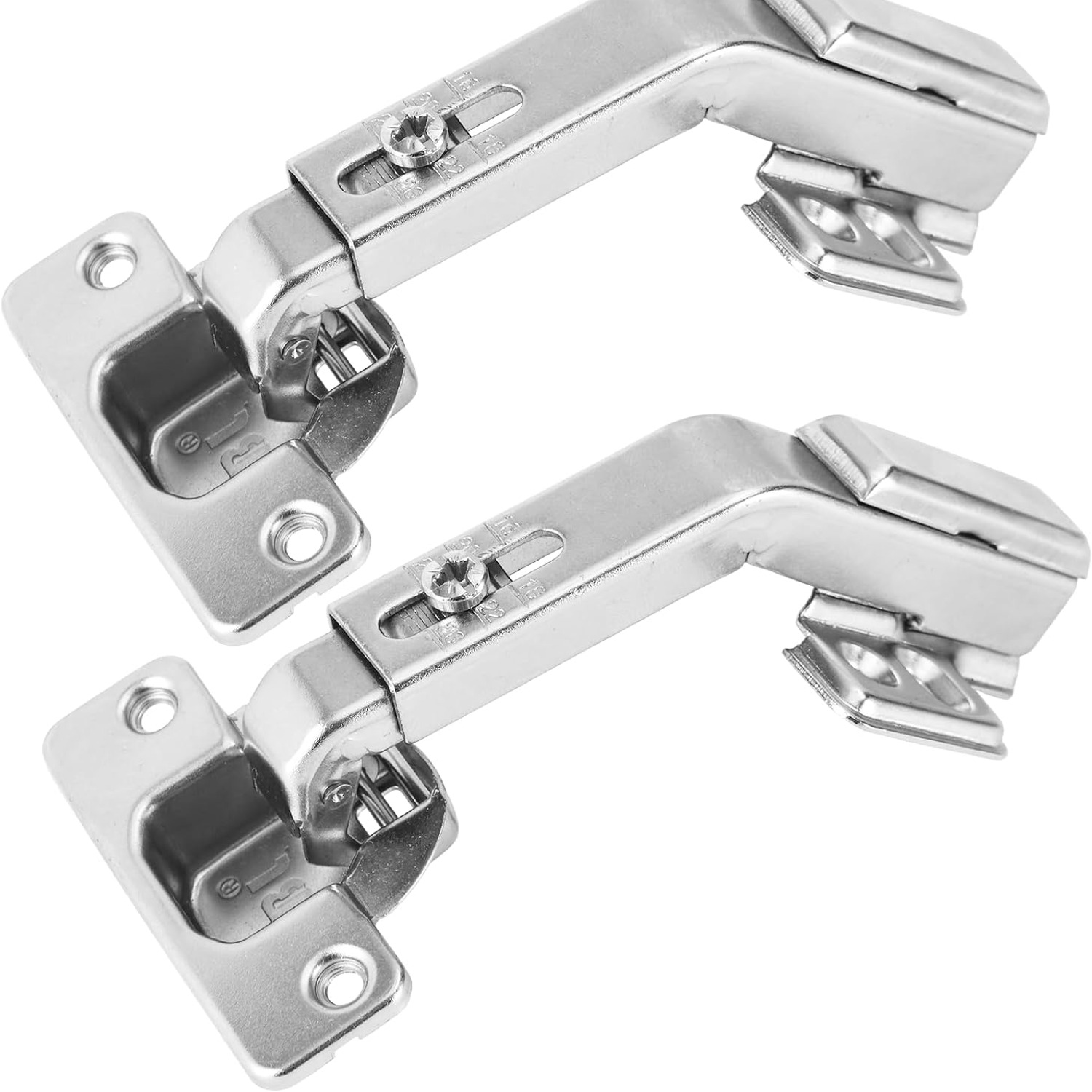
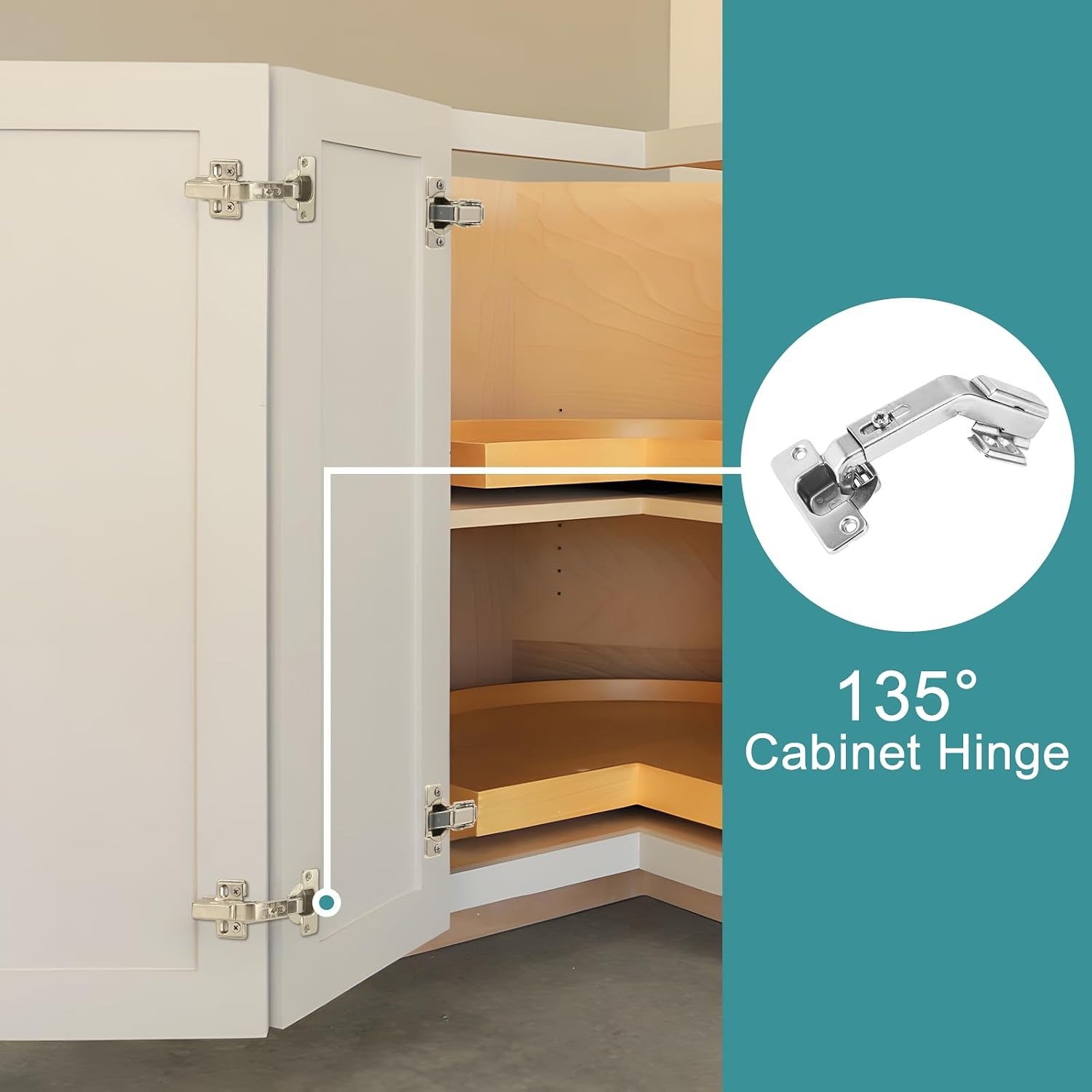
These HBL' hinges are listed for 135 degree corner cabinets with bifold doors, including compatible lazy Susan door arrangements. They come as a two-pack with screws. Before choosing them, take a few measurements and check the details below.
Understand which connection you are replacing
A folding corner door has more than one job to do. It must attach to the cabinet, and its paired panels must move in relation to each other. The hinges at those different connections are not necessarily interchangeable.
This product is described as the hinge that connects the two door panels at the corner. It is not listed as a replacement for every hinge elsewhere on the cabinet. It is also not the hardware that turns a lazy Susan shelf inside the cupboard.
Open your doors slowly and watch the part you want to replace. Note where it sits and which panels it joins. A clear photo of that connection, taken before removal, gives you a useful reference when comparing replacement corner cabinet hinges.
Check the angle information before ordering
The title and main fit guidance identify this product as 135 degree corner cabinet hinges. That is the intended cabinet application stated in the listing.
There is one detail worth checking. The short source description also calls model BL0176 a 165 degree hinge. Those descriptions should not be treated as proof of the same opening movement. If your cabinet depends on an exact angle, ask for confirmation before buying.
A number in a hinge name does not tell you everything about the installation. Door shape, mounting position and the movement of nearby panels also matter. Compare the whole arrangement rather than buying by an angle label alone.
Measure the full cup hole
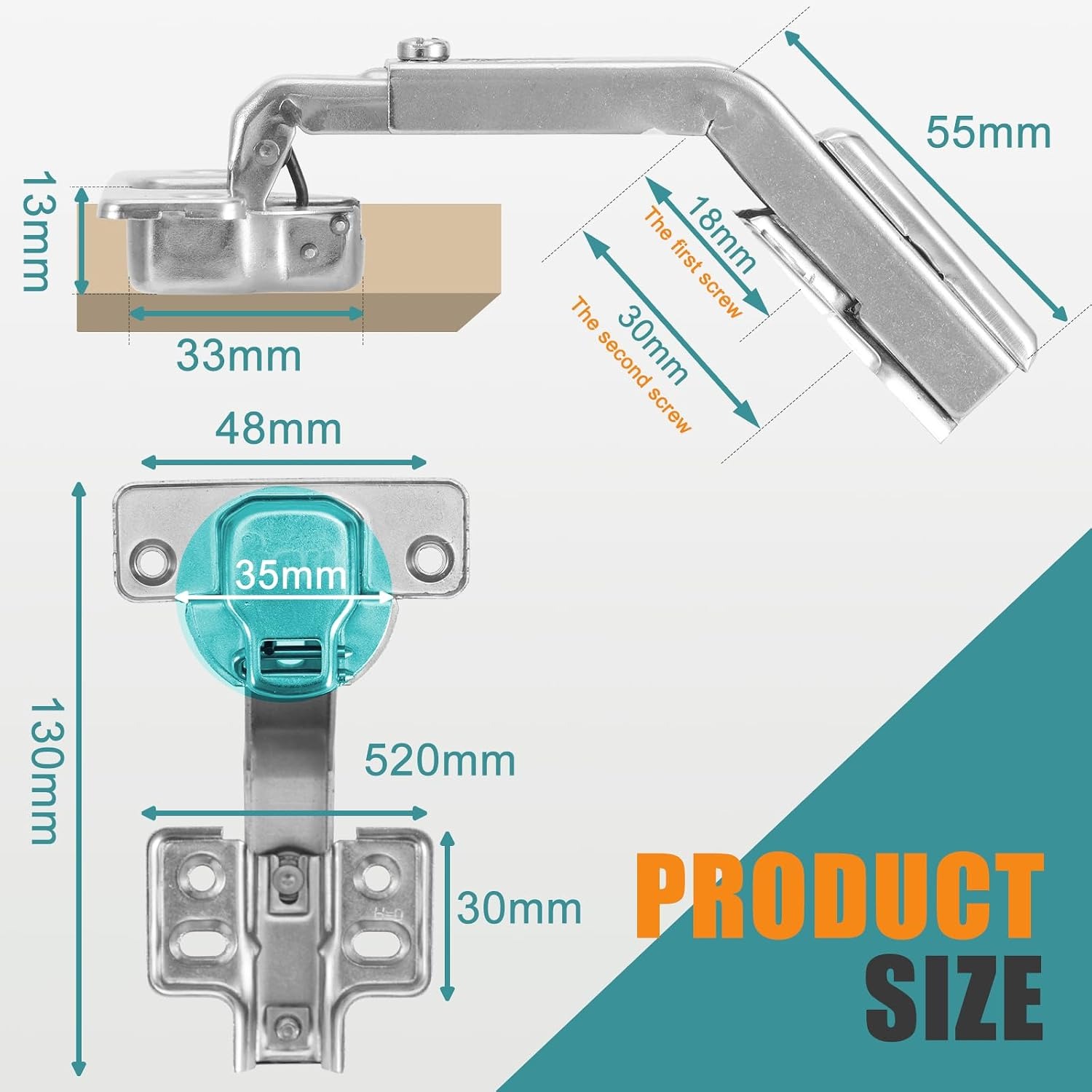
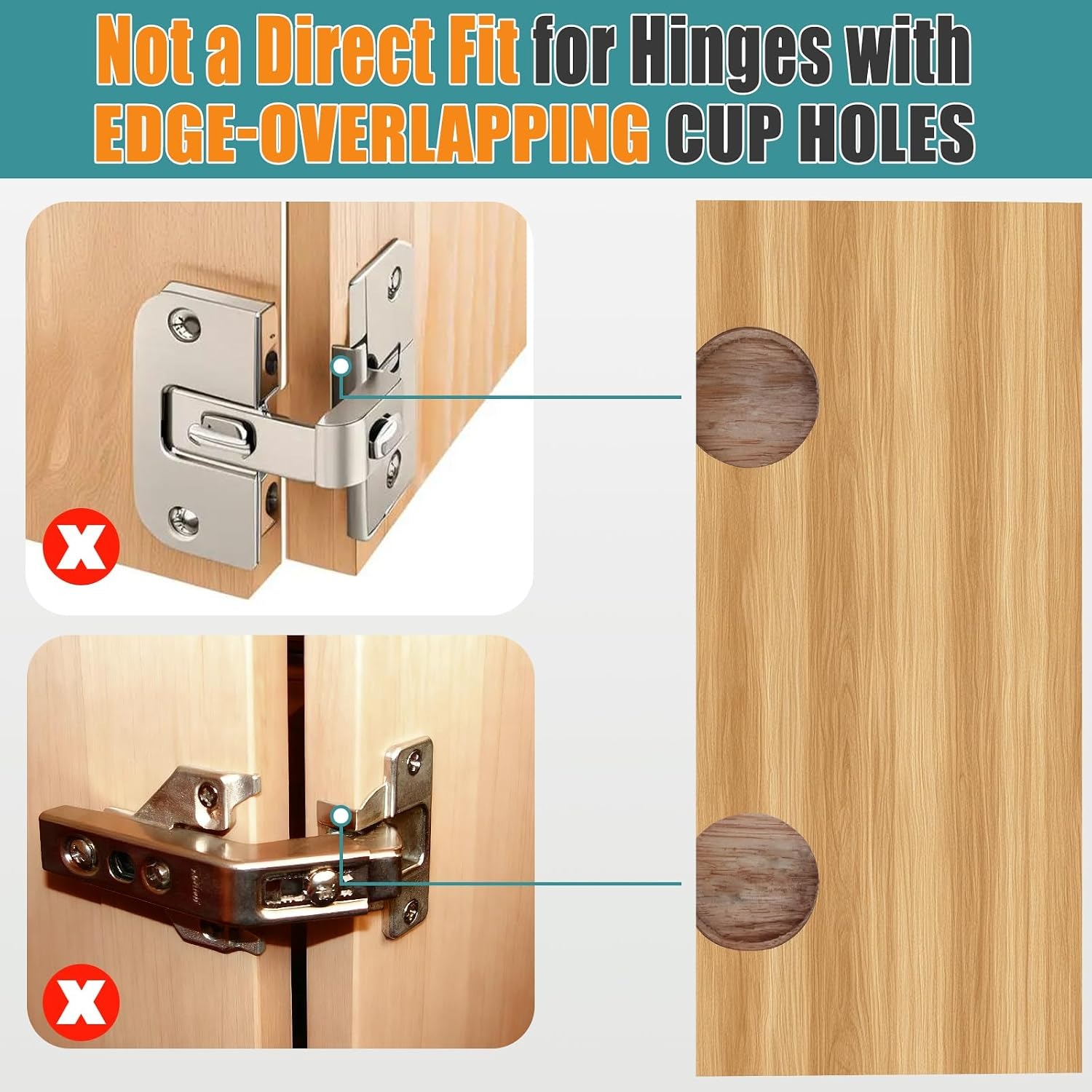
The most important fit check is the cup recess. These hinges require a full round 35mm cup hole. The supplier specifically excludes replacement applications involving IKEA or Blum 135 degree hinges that use cut-out or partial holes.
Look at the actual recess in your door. Do not rely only on the brand of the old hinge or the size of its visible cover. If you cannot see the shape clearly, support the door safely before removing any hardware.
A recess that is partly open at the edge is not the full hole specified here. Avoid assuming that extra screws or a small change in position will make an unsuitable recess work. The mounting area needs to match the hinge properly.
Check spacing, depth and door thickness
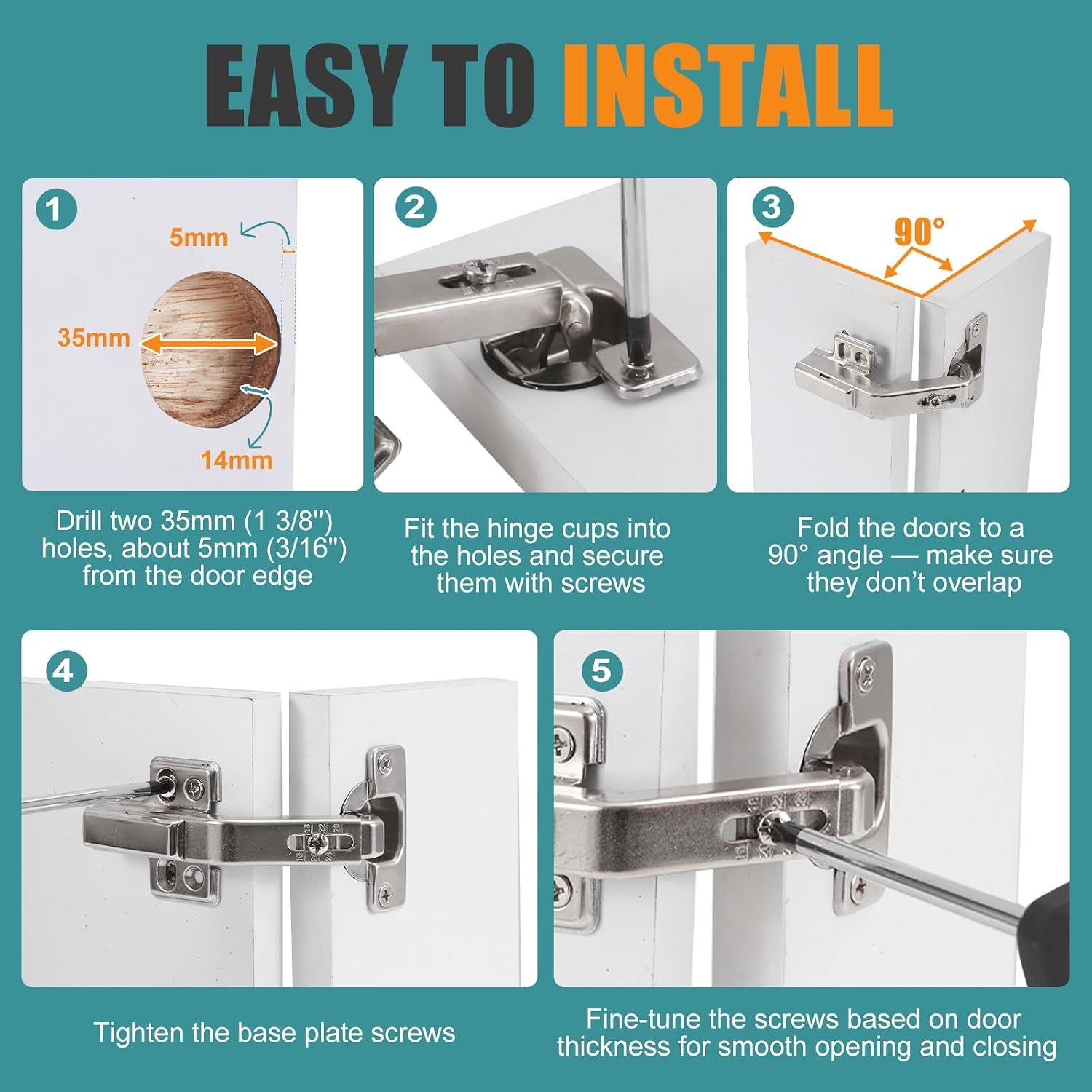
Cup diameter is only the first measurement. The listed screw spacing is 48mm, and the required cup drilling depth is 13mm. The stated door thickness range is 16–26mm.
Measure screw spacing from the centre of one hole to the centre of the other. Then check the depth of the recess and the thickness of the door itself. Write down the figures so you can compare them without relying on memory.
The product details also give length and width as 25L x 25W millimetres. That entry is not a complete installation drawing. It should not replace the separate cup size, hole spacing or depth requirements when judging whether the hinge will fit.
If a measurement is unclear, stop there and seek advice. It is easier to settle a fit question before ordering than after changing a door.
Decide whether this pack suits your project
The pack contains two hinges and screws. That makes the quantity clear, but it does not establish how many hinges every door needs.
For a repair, count the existing hinges and check whether all of them are the same type. Look for damaged mounting areas as well as damaged hardware. A new hinge cannot by itself repair a split or weakened section of door.
For a new installation, the cabinet design needs to suit the hinge requirements from the start. Door weight capacity is not given in the maker's listing. If you are building large or heavy panels, get the support requirements confirmed rather than assuming a two-pack is enough.
Look beyond a similar appearance
Many European cabinet hinges share a familiar cup shape. That can make two models look interchangeable even when their mounting positions differ.
When comparing kitchen corner door hinges, check the connection between panels, the full recess shape and the screw layout. Also consider whether the folded doors will clear handles, nearby drawers and neighbouring cabinet fronts.
Photographs can help you compare shapes, but they cannot confirm measurements. Keep your written dimensions beside you while shopping. The best replacement is the one that matches the installation, not merely the one with the closest-looking finish.
Know what is stated about materials
The product specifications list alloy steel with a polished silver finish. That gives you a useful starting point for matching other cupboard hardware.
The exact alloy grade is not supplied. Nor is there an outdoor rating or a stated load capacity. Do not read those qualities into the appearance of the metal or its polished surface.
Soft-close action is not listed by the maker either. If a gentle, damped closing movement is essential to you, confirm that feature separately. Concealed corner hinges and soft-close hinges are not automatically the same thing.
The listed item weight is 45.4 g, but the maker does not explain whether that is for one hinge or the pack. It should not be used to estimate door support.
Plan the fitting work before removing hardware
Set aside time to inspect the door and prepare a safe working area. Take photos of the existing hinge positions and keep removed screws together.
Support the door panels while working. Removing a connection can change how a folding door is held, so avoid leaving a panel hanging without proper support. If the arrangement is unfamiliar, ask a cabinet fitter to handle it.
The supplied screws are part of the pack, but their suitability still depends on the mounting material and existing holes. Worn holes or damaged board need attention before the connection can be secure.
If drilling is required, confirm the layout and depth first. Guessing at a cup position can leave permanent damage that a different hinge will not cover.
Test the movement gently
After fitting, move the doors slowly while watching the connection. Check that the panels fold without striking one another or catching adjacent surfaces.
Do not force a stiff or blocked movement. Resistance may point to an unsuitable hinge, poor alignment or a mounting problem. Stop and find the cause rather than using the handle to pull harder.
Check the fixings again after the first few uses. If a panel begins to sag or a screw loosens repeatedly, have the mounting area inspected. Tightening the same fixing over and over may not solve the underlying problem.
These checks are useful for folding cupboard door hinges of any brand. They help separate a hardware issue from damage elsewhere in the cabinet.
Keep care simple
Wipe the hinges with a soft cloth and dry them after cleaning. Avoid abrasive cleaners that could mark the finish.
Kitchen spills can reach hardware around a door edge, so check those areas during normal cupboard cleaning. Do not leave the hinges wet or assume the polished finish makes them suitable for constant moisture.
Pay attention to changes in movement. A new scrape, a loose panel or a door that suddenly needs extra force deserves a closer look. Stop forcing it and check the mounting before continuing normal use.
Check delivery and cover before checkout
The product record does not give a delivery lead time. Use the delivery window on our shipping page when deciding whether the pack suits your repair schedule.
The supplier states a 3-year warranty, but the applicable terms and claim process should be checked before purchase. Return conditions also need a separate check, especially when you have not yet confirmed compatibility.
Keep the pack and components together until you are satisfied with the fit. Avoid altering the doors just to test an uncertain match. A measurement question is a good reason to pause and ask for help.
The short version
Choose these hinges for a compatible corner bifold arrangement, not simply because your cupboard has two folding panels. Check for a full 35mm cup hole, 48mm screw spacing, 13mm drilling depth and doors within the listed 16–26mm range.
Confirm the angle information if your project needs an exact opening geometry. With those checks done, you can decide whether this two-pack matches the repair without guessing at the details that matter most.